
How to Manage High Caseloads Without Burnout: Systems That Actually Work
Managing a high caseload can feel like a constant race against time. Many social workers, case managers, therapists, counselors, and human services teams are expected to handle growing client demands while maintaining documentation quality, follow-up consistency, and meaningful client support. When those demands are managed through scattered notes, manual reminders, and reactive workflows, the result is often stress, missed details, and long-term fatigue.

The good news is that burnout is not an unavoidable part of the job. In many organizations, burnout is less about commitment and more about the systems surrounding the work. With the right caseload management strategies, better prioritization, stronger boundaries, and practical workflow improvements, it is possible to manage high caseloads without burnout while also improving service quality and operational consistency.
💡All-in-one Case Management Software.
Everything in one place: clients, notes, forms, appointments, reports, and outcomes.
👉 Try it Free - No credit card needed
Why High Caseloads Lead to Burnout
High caseloads create pressure in ways that are both visible and hidden. The visible pressure includes too many client appointments, overdue documentation, follow-ups that pile up, and an inbox that never seems to clear. The hidden pressure is often even more damaging. It includes constant context switching, emotional strain, decision fatigue, and the mental burden of trying to remember what still needs attention.
This is why high caseloads lead to burnout in social work, case management, behavioral health, and related fields. Professionals are not only managing tasks. They are managing urgency, emotional intensity, compliance responsibilities, and client outcomes at the same time.
Common signs of burnout in case managers and social workers include:
- Feeling behind no matter how much work gets done
- Difficulty prioritizing cases effectively
- Emotional exhaustion and lower patience
- More frequent documentation errors or missed follow-ups
- Reduced sense of control over the workday
- A growing habit of staying late just to catch up
When these issues become normal, organizations often assume the problem is simply workload volume. In reality, the deeper problem is often the lack of systems that help teams handle that volume efficiently.
The Real Problem: Reactive Workflows Instead of Reliable Systems
Many professionals are trying to manage multiple clients without burnout while working inside fragmented processes. They may be using spreadsheets for tracking, separate documents for notes, email chains for follow-ups, and manual calendars for appointments. Even when each individual tool works, the overall workflow becomes inefficient.
Reactive workflows tend to create the same set of problems:
- Tasks live in too many places
- Staff rely on memory instead of systems
- Case prioritization changes based on what feels loudest
- Documentation becomes delayed and stressful
- Managers have limited visibility into workload patterns
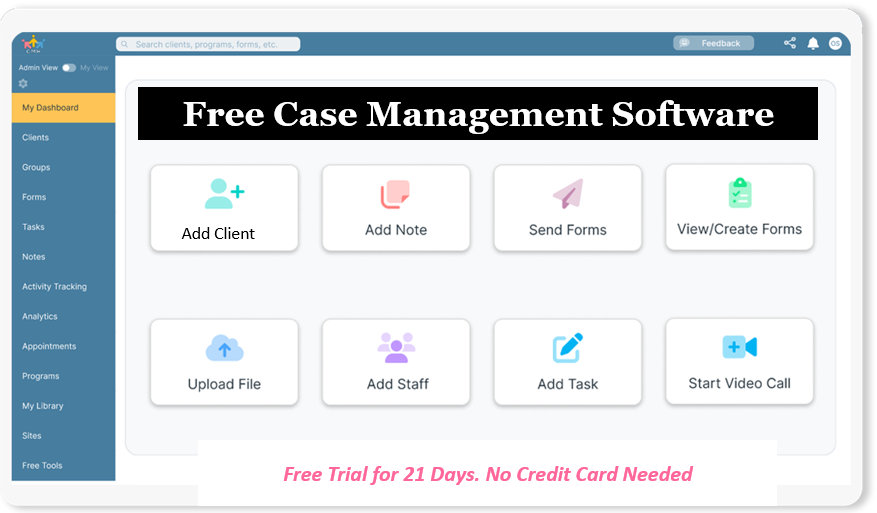
This is why the most effective solution is not simply telling staff to work harder or manage their time better. It is building systems and processes to manage client overload in a way that reduces friction, improves visibility, and creates more control throughout the day.
👉 Try it Free - Free Case Management System
How to Handle Large Caseloads in Social Work and Case Management
Professionals who consistently handle large caseloads well usually follow a repeatable operational model. They do not make every decision from scratch. They rely on a structured approach to case prioritization, scheduling, documentation, and follow-up management.
1. Build a daily triage routine
Start each day with a quick review of urgent needs, upcoming deadlines, scheduled client activity, and unresolved follow-ups. A short triage process helps prevent the day from being driven by interruption alone.
2. Separate urgent work from important work
Not every case issue needs same-day action. Some items are urgent because they affect safety, service continuity, or compliance. Others are important but can be scheduled into a defined work block. That distinction is essential for better workload management for case managers.
3. Standardize repeatable steps
When intakes, case notes, referrals, and follow-up activities follow a standard pattern, staff spend less energy deciding how to complete basic tasks. This reduces mental fatigue and helps teams stay more consistent.
4. Review caseload distribution regularly
A caseload count alone is not enough. Two staff members may have the same number of clients, but one may be managing significantly more complexity. Organizations should review both volume and intensity when evaluating workload balance.
- Identify crisis or high-risk cases
- Flag time-sensitive administrative actions
- Group routine follow-ups into planned work blocks
- Use recurring reviews to rebalance workload before stress escalates
Practical Caseload Management Strategies That Reduce Stress
Effective caseload management strategies are not abstract productivity ideas. They are specific operating methods that reduce confusion, support consistency, and make it easier to complete work without constant pressure.
Use time blocking instead of open-ended multitasking
One of the most useful time management tips for overwhelmed case managers is time blocking. Instead of shifting constantly between meetings, emails, notes, and follow-ups, assign dedicated periods to each type of task.
- Client meeting blocks
- Documentation blocks
- Follow-up call blocks
- Administrative review blocks
Create clear case priority levels
How to prioritize cases effectively in social work often depends on having a formal priority model. For example, organizations can separate caseloads into crisis, active intervention, monitored support, and routine maintenance. This gives staff a practical framework for decision-making.
Reduce documentation friction
Documentation is essential, but it should not take more time than necessary. Templates, structured note formats, and consistent workflows help teams document faster without sacrificing quality.
Turn follow-ups into tracked tasks
Follow-ups often get missed when they stay in email, handwritten notes, or memory. Turning them into trackable tasks with due dates and accountability is one of the best ways to reduce caseload stress.
🔥Still using spreadsheets for case management?
Switch to an all-in-one case management platform.
👉 Try it Free - No credit card needed
How to Stay Organized With a High Caseload
Staying organized with a high caseload is less about personal discipline and more about having a reliable environment for the work. When client details, appointments, progress notes, assessments, forms, and tasks are separated across multiple tools, organization becomes difficult even for experienced professionals.
A stronger approach is to organize around visibility and consistency. Staff should be able to quickly see what is due, what is overdue, what is urgent, and what has already been completed.
Best practices for staying organized
- Keep all client information in one central system when possible
- Use the same naming and note conventions across the team
- Review open tasks daily and unresolved cases weekly
- Document immediately after key interactions when possible
- Create standard workflows for intake, reassessment, referral, and discharge processes
These simple practices help organizations create more stable workflows and reduce the day-to-day chaos that often contributes to burnout.
Tools to Manage Multiple Clients Without Burnout
The right tools can dramatically improve how teams manage high caseloads. This does not mean adding more software for the sake of it. It means choosing tools that reduce duplication, improve visibility, and support better decisions.
Tools to manage multiple clients without burnout should support several core functions at once. They should help teams track client status, manage follow-ups, document efficiently, and see workload patterns before problems escalate.
What strong case management systems should include
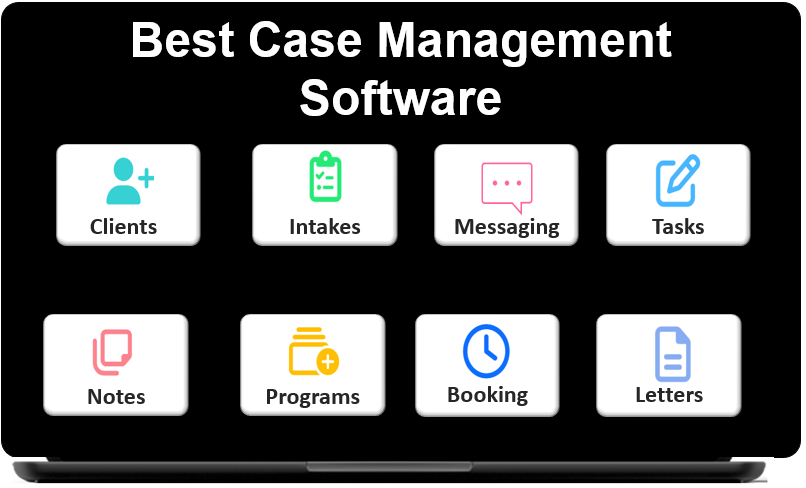
- Centralized client records
- Task assignment and due date tracking
- Calendar and reminder functionality
- Custom note templates and form workflows
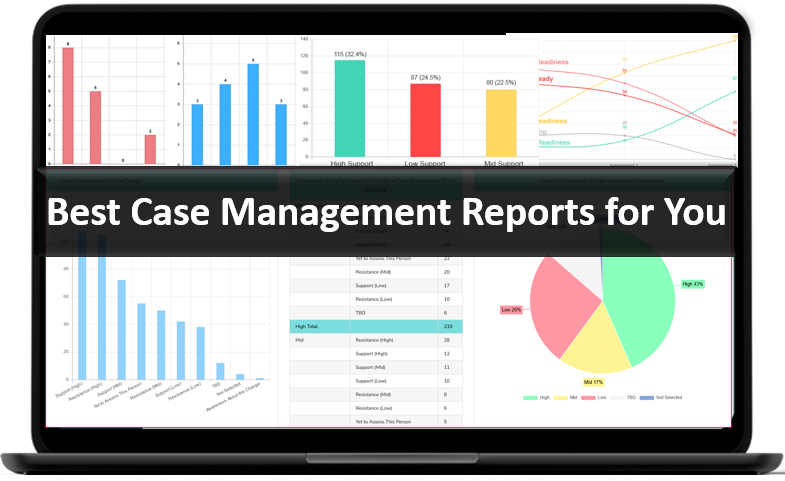
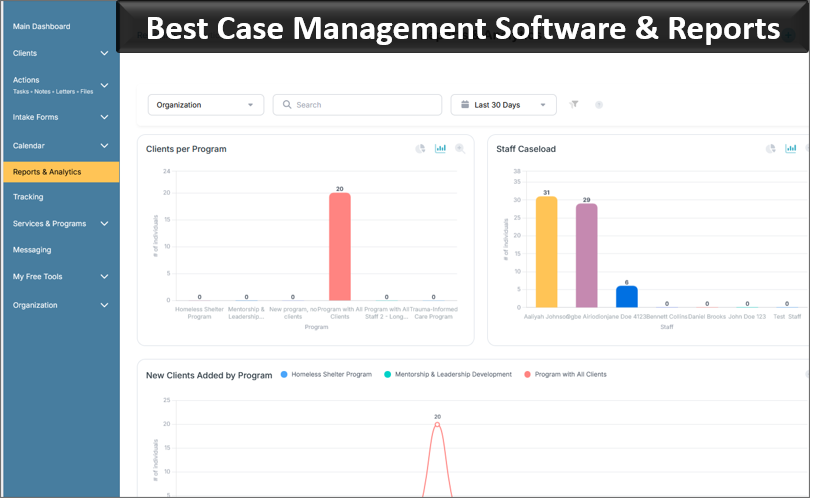
- Reporting and analytics for caseload oversight
- Secure collaboration across staff and programs
Organizations searching for the best case management software for high caseloads should focus on ease of use, workflow fit, scalability, and reporting visibility, not just feature quantity. The best systems reduce workload because they make daily execution simpler and more reliable.
 👉 Try it free today - No credit card needed
Workflow Automation for Case Managers
Workflow automation for case managers can remove a surprising amount of repetitive work. Many tasks that consume time each week do not need manual handling every single time. When organizations automate reminders, recurring actions, and status-based workflows, staff can spend more energy on client care and less on administrative repetition.
Examples of automation that reduce workload
- Appointment reminders for clients and staff
- Recurring follow-up tasks
- Notifications for overdue forms or assessments
- Alerts for missed deadlines or target dates
- Automatic task creation at key workflow stages
Automation is especially valuable for organizations that want case management systems that reduce workload without reducing service quality. When repetitive steps are automated correctly, teams become more consistent and less dependent on memory.
Comparison Table: Systems That Actually Work
The table below compares common operational challenges with system-based solutions that help organizations manage client overload more effectively. Each solution supports better efficiency, lower stress, and stronger long-term performance.
| Challenge | System That Helps | Practical Benefit | Burnout Impact |
|---|---|---|---|
| Scattered client information | Centralized case management system | Faster access to notes, forms, tasks, and records | Reduces cognitive overload |
| Missed follow-ups | Task tracking with alerts and due dates | Improves accountability and timeliness | Reduces stress and rework |
| Slow documentation | Standardized templates and note workflows | Speeds up routine documentation tasks | Lowers daily workload pressure |
| Constant manual reminders | Workflow automation for reminders and recurring tasks | Cuts down repetitive administrative work | Preserves mental energy |
| Poor workload visibility | Reporting dashboards and caseload analytics | Helps managers rebalance workload early | Prevents overload from escalating |
For organizations comparing manual processes with a more structured operating model, the difference is often immediate. Better systems improve consistency, reduce friction, and make it easier for staff to focus on meaningful client work.
👉 Try it Free today - No credit card needed
How Organizations Can Prevent Burnout in Social Work Jobs
Burnout prevention is not only an individual responsibility. Organizations play a major role in shaping whether staff can do sustainable work. When leaders want to prevent burnout in social work jobs and case management roles, they need to look beyond morale messaging and address operational design.
Key organizational actions that make a difference
- Set realistic documentation and follow-up expectations
- Review caseload complexity, not just case count
- Equip teams with tools that reduce manual work
- Offer consistent supervision and workload visibility
- Build processes that protect focus time and recovery time
Organizations that do these things well are more likely to retain staff, improve case quality, and create a healthier pace of work. They also give staff a more practical answer to the question of how to manage emotional exhaustion in case management.
Managing Emotional Exhaustion in Case Management
Even with strong workflows, case management can still be emotionally demanding. Professionals often support people through crisis, instability, trauma, and complex transitions. That emotional weight should not be ignored when discussing how to manage high caseloads without burnout.
Managing emotional exhaustion in case management requires a combination of personal boundaries and organizational support. Systems reduce chaos, but sustainable practice also requires space for recovery, reflection, and realistic pacing.
Helpful practices for emotional sustainability
- Avoid treating every issue as equally urgent
- Use supervision or team review to process difficult cases
- Schedule recovery space after emotionally intense work
- Protect boundaries around after-hours communication when possible
- Recognize that efficiency supports wellbeing, not just output
These strategies help staff maintain clarity and resilience while continuing to deliver strong client support.
👉 Try it free today - No credit card needed
A Practical Weekly System for High Caseload Management
For teams that want a practical starting point, a weekly operating rhythm can make a major difference. This kind of structure helps staff know when to review priorities, close documentation loops, prepare for upcoming work, and prevent tasks from stacking up.
Example weekly cadence
- Monday: Triage urgent cases, review deadlines, confirm appointments
- Tuesday: Focused documentation and follow-up completion block
- Wednesday: Midweek caseload review and priority adjustments
- Thursday: Administrative processing, referrals, and open task cleanup
- Friday: Final documentation review, next-week preparation, unresolved task handoff planning
A repeatable weekly system helps organizations move away from constant firefighting and toward a more stable, lower-stress operating model.
Final Thoughts
Managing high caseloads without burnout is possible, but it requires more than effort alone. It requires systems that actually work. The professionals and organizations that handle client-heavy roles most effectively are usually the ones that rely on clear workflows, structured prioritization, better task visibility, workflow automation, and tools that support real-world case management.
Whether the goal is to improve organization, reduce documentation pressure, prevent burnout in social work jobs, or find better tools to manage multiple clients without burnout, the solution starts with operational design. Stronger systems create stronger outcomes for staff, stronger consistency for teams, and better support for the people being served.
For organizations looking to improve efficiency and sustainability, the fastest path forward is not doing more manually. It is building a smarter, more structured way to work.
💡All-in-one Case Management Software.
Everything in one place: clients, notes, forms, appointments, reports, and outcomes.
👉 Try it Free - No credit card needed
FAQ: Managing High Caseloads Without Burnout
How can case managers manage high caseloads without burnout?
Case managers can manage high caseloads without burnout by using structured workflows, clear case prioritization, time blocking, and centralized case management systems. These strategies reduce stress, improve organization, and make daily work more sustainable.
What are the best caseload management strategies for social workers?
The best caseload management strategies for social workers include creating priority levels for cases, standardizing documentation, tracking follow-ups as tasks, and reviewing workload regularly. These methods help improve efficiency and reduce emotional and administrative overload.
What are the signs of burnout in case managers?
Common signs of burnout in case managers include emotional exhaustion, feeling constantly behind, difficulty focusing, missed follow-ups, and increased stress around documentation. These warning signs often point to a need for better systems and workload support.
How do case management systems reduce workload?
Case management systems reduce workload by centralizing client records, automating reminders, improving task tracking, and making documentation faster and more organized. This helps organizations reduce manual work and improve consistency across teams.
What tools help manage multiple clients without burnout?
Tools that help manage multiple clients without burnout include case management software, task tracking systems, automated reminders, calendar tools, and standardized note templates. These tools help professionals stay organized, reduce missed tasks, and work more efficiently.
Find the Right Case Management Solution for Your Organization: All-in-One Case Management Resource Center.
Note: Content on this casemanagementhub.org site is copyrighted and protected under applicable copyright laws. Read Terms of Use.
Disclaimer: Case Management Hub is an educational resource and software provider site. Our content is not medical advice. Use of this site does not create a provider-patient relationship. Read our full disclaimer here: Case Management Hub Disclaimer.