
How to Build a Case Management Workflow from Intake to Discharge
A strong case management workflow from intake to discharge helps organizations deliver more consistent services, reduce administrative friction, improve compliance, and create better outcomes for clients. When intake, assessment, service planning, documentation, follow-up, reporting, and discharge are handled through a structured process, teams can work more efficiently and make better decisions at every stage of care or support.
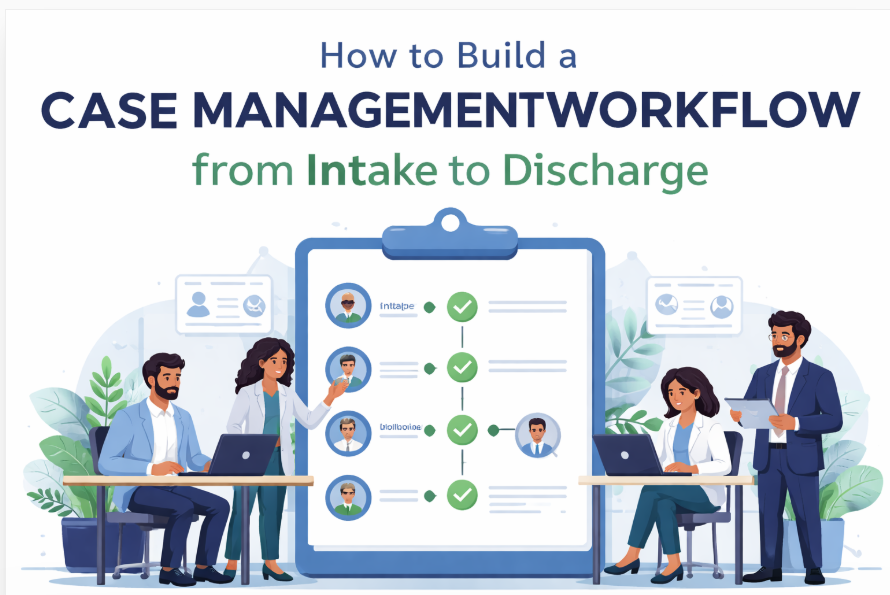
This guide explains how to build an end-to-end case management process flow that is practical, scalable, and aligned with real-world service delivery across social work, healthcare, nonprofit programs, behavioral health, education, housing, and human services.
💡All-in-one Case Management Software.
Everything in one place: clients, notes, forms, appointments, reports, and outcomes.
👉 Try it Free - No credit card needed
Why a Structured Case Management Workflow Matters
Many organizations begin with a mix of spreadsheets, paper files, email threads, disconnected forms, and manual reminders. That approach often creates delays, inconsistent documentation, missed tasks, duplicated work, and limited visibility into client progress. A structured intake to discharge process in case management solves these issues by giving teams a repeatable framework for moving each case forward.
A clearly defined case management workflow also improves accountability. Staff know what happens at intake, what information must be collected during assessment, when care plans should be created, how progress should be documented, and what criteria must be met for discharge planning. This creates a stronger client experience and a more reliable operational model.
- Improves consistency across staff, programs, and locations
- Reduces missed follow-ups and incomplete documentation
- Strengthens compliance and reporting accuracy
- Supports better care coordination and communication
- Makes it easier to track outcomes and demonstrate impact
- Helps organizations scale services without creating chaos
The Core Stages of the Case Management Lifecycle
To build an effective case management workflow from intake to discharge, start by understanding the major stages of the client journey. These case management lifecycle stages explained below provide a reliable structure that organizations can adapt to their own services, populations, and compliance needs.
1. Intake
The client intake process in case management systems is where a case officially begins. At this stage, organizations collect basic demographic information, referral details, presenting concerns, eligibility data, consent forms, and initial service needs. A well-designed intake process helps teams gather complete information quickly while reducing duplicate data entry.
2. Assessment
After intake, staff complete a more detailed review of client needs, risks, strengths, goals, and barriers. The case management intake assessment workflow should capture the information needed to determine service priority, assign staff, identify immediate actions, and establish a baseline for future reporting.
3. Service Planning
Service planning turns assessment findings into action. This is the stage where staff define goals, milestones, responsibilities, timelines, referrals, and intervention strategies. A strong service plan gives everyone involved a clear roadmap.
4. Service Delivery and Ongoing Case Work
This stage includes the day-to-day activities that move the case forward. Staff document case notes, complete tasks, schedule appointments, send forms, coordinate services, communicate with partners, and track progress. This is often the most active stage of the end-to-end case management process flow.
5. Monitoring and Review
Monitoring ensures the case remains on track. Teams review goals, assess outcomes, update service plans, and identify risks or missed milestones. This stage is essential for improving client outcomes with structured case workflows.
6. Discharge and Follow-Up
Discharge closes the formal case while preparing the client for the next step. Discharge planning workflow in social work and related fields should include outcome review, referral or transition planning, final documentation, and follow-up if needed.
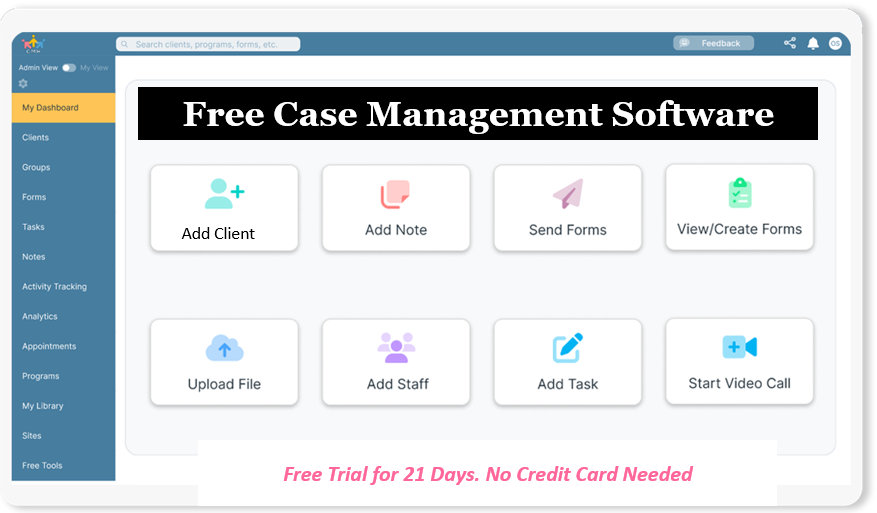
👉 Try it Free - Free Case Management System
How to Create a Case Management Workflow Step by Step
Organizations that want to know how to create a case management workflow step by step should begin by documenting the current process before redesigning it. This prevents teams from automating inefficient habits and helps identify the changes that will have the greatest impact.
- Map your current workflow from first contact to case closure.
- Identify bottlenecks, duplicate tasks, missing information, and delays.
- Define standard workflow stages, entry criteria, and exit criteria.
- Decide what data must be collected at each stage.
- Create standardized forms, assessments, note templates, and task checklists.
- Assign staff roles, permissions, and responsibilities.
- Build triggers for reminders, approvals, follow-ups, and escalations.
- Set up reporting metrics for service activity, client progress, and discharge outcomes.
- Pilot the workflow with a small group before rolling it out more broadly.
- Review performance regularly and refine the process over time.
This approach helps organizations build a client onboarding to discharge workflow template that is both operationally sound and flexible enough to support different service models.
Building the Intake Stage for Accuracy and Speed
The intake stage sets the tone for the rest of the client journey. A weak intake process leads to missing data, poor eligibility decisions, delayed follow-up, and incomplete records. A strong intake process captures the right information once and makes it usable throughout the rest of the case management workflow best practices.
What Intake Should Capture
- Client identity and contact details
- Referral source and referral reason
- Presenting needs and service requests
- Program eligibility information
- Consent, releases, and required documentation
- Risk indicators or urgent issues requiring immediate response
Best Practices for Intake
Use digital forms whenever possible, keep required fields focused on what is actually needed, and build routing rules so intakes are sent to the right team or program quickly. The goal is to create a client intake process in case management systems that is easy for staff to manage and easy for clients to complete.
Organizations should also decide which fields will feed later reports. If intake captures program type, location, referral source, demographics, and presenting need consistently, those fields can support better analytics later in the workflow.
🔥Still using spreadsheets for case management?
Switch to an all-in-one case management platform.
👉 Try it Free - No credit card needed
Designing an Effective Assessment Workflow
Assessment should go beyond basic intake data. This part of the case management documentation workflow process should help staff understand the client’s full situation, including risks, strengths, goals, barriers, support systems, and urgency level. A good assessment process supports sound decisions and more targeted service planning.
Assessment Elements to Include
- Needs and priority areas
- Safety and risk factors
- Client strengths and protective factors
- Service history and previous interventions
- Immediate action requirements
- Eligibility or program fit
Why Assessment Standardization Matters
Without standardized assessments, two staff members may evaluate the same case differently. Structured forms, defined scoring approaches, and guided prompts create more consistent decisions. This improves service quality and makes reporting more reliable across teams and locations.
Service Planning, Goal Setting, and Coordination
Once the assessment is complete, organizations should move into structured planning. This stage is central to building a client journey in case management because it translates information into action. A service plan should state what the organization is working toward, what actions are needed, who is responsible, and how progress will be reviewed.
What a Strong Service Plan Includes
- Client goals and priority outcomes
- Specific action steps and due dates
- Assigned staff and partner responsibilities
- Referrals, appointments, or required services
- Review dates and success indicators
Why Coordination Matters
A care coordination workflow from intake to discharge should make it easy to see what has been assigned, what is overdue, and what still needs follow-up. When service planning is disconnected from tasks, calendars, notes, and communication, cases slow down. The most effective workflows connect these functions so the plan is actively managed rather than stored as a static document.
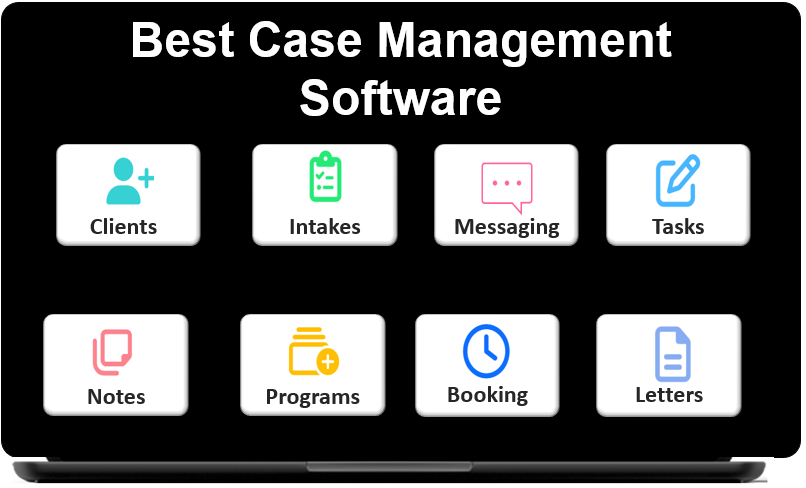 👉 Try it free today - No credit card needed
Documentation, Notes, and Daily Workflow Execution
Service delivery is where the case management workflow becomes operational. Staff complete appointments, communicate with clients, coordinate with partner organizations, document encounters, update goals, and track progress over time. This stage benefits heavily from a case tracking and reporting workflow system that keeps everything centralized.
Core Activities During Service Delivery
- Writing progress notes and case notes
- Scheduling and tracking appointments
- Sending forms, reminders, and follow-ups
- Assigning and monitoring tasks
- Updating service plans and goals
- Recording outcomes, incidents, or milestones
How to Streamline Case Management Processes
Organizations looking to streamline case management processes should focus on reducing unnecessary clicks, limiting duplicate documentation, standardizing note templates, and using automated reminders for due dates and reviews. Staff should be able to move from one task to the next without losing visibility into the full case history.
Practical workflow design makes documentation easier, not harder. When forms, notes, client profiles, and reporting fields work together, teams spend less time chasing information and more time delivering services.
Monitoring Progress, Reporting Outcomes, and Improving Performance
A modern end-to-end case management process flow should include regular monitoring and performance review. This is what turns case activity into actionable insight. Organizations need to know whether clients are progressing, which services are producing results, where cases are getting stuck, and how staff workloads are affecting service delivery.
Key Metrics to Track
- Time from intake to first appointment
- Assessment completion rates
- Task completion and overdue items
- Goal progress by client or program
- Referral completion and service utilization
- Discharge reasons and post-service outcomes
Using Reports to Improve Workflow
Reports should not only satisfy funder or compliance requirements. They should help leaders identify workflow gaps, staffing challenges, and service opportunities. If intakes are completed quickly but assessments are delayed, the workflow may need clearer ownership. If discharge rates are low, service plans may need stronger milestone tracking. Better reporting leads to better workflow decisions.
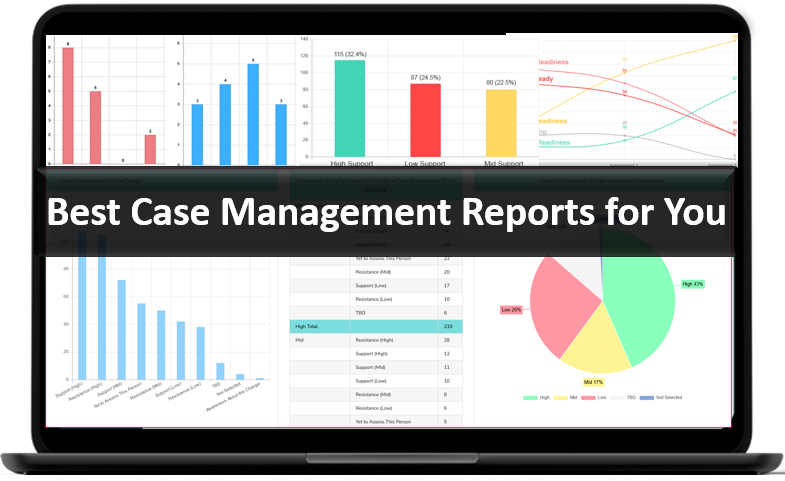
👉 Try it Free today - No credit card needed
Comparison Table: Intake to Discharge Workflow Stages
The table below provides a practical overview of the main stages in a case management workflow from intake to discharge. It can be used as a starting point for organizations building or refining their own workflow model.
| Stage | Primary Focus | Key Actions | Desired Outcome |
|---|---|---|---|
| Intake | Capture essential client and referral information | Collect forms, consent, eligibility details, and presenting needs | Complete and accurate case entry |
| Assessment | Evaluate needs, risk, strengths, and service priorities | Complete structured assessments and establish baseline data | Clear understanding of client needs |
| Service Planning | Turn assessment findings into a practical plan | Set goals, assign tasks, schedule services, and define milestones | Coordinated action plan for service delivery |
| Service Delivery and Monitoring | Execute, document, review, and adjust the case | Record notes, track progress, manage appointments, and review outcomes | Consistent service delivery and measurable progress |
| Discharge | Close the case with a safe and structured transition | Review outcomes, document closure, provide referrals, and schedule follow-up | Successful case closure and continuity of support |
Workflow Automation in Case Management Software
Workflow automation in case management software can significantly improve consistency and reduce manual work. The goal is not to automate everything. The goal is to automate the right steps so staff can focus on client support, coordination, and decision-making.
Where Automation Helps Most
- Sending intake forms after a referral is created
- Assigning staff based on program, location, or case type
- Triggering reminders for overdue tasks and upcoming reviews
- Creating follow-up tasks after appointments or missed milestones
- Alerting supervisors when critical steps are incomplete
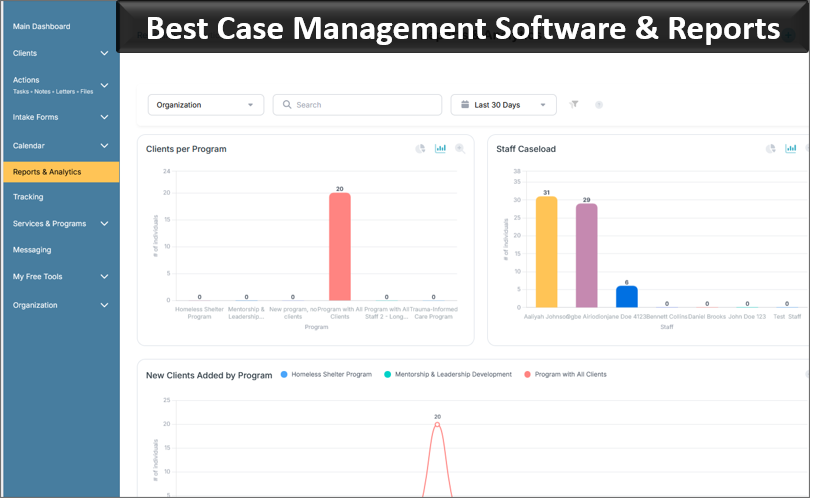
- Generating reports for caseload, service activity, and discharge outcomes
Automation Should Support Human Judgment
Automation improves speed and consistency, but case work still depends on professional judgment. Organizations should automate routine workflows while preserving flexibility for complex cases, escalations, risk response, and individualized care planning.
👉 Try it free today - No credit card needed
Common Workflow Mistakes to Avoid
Even well-intentioned workflow redesign efforts can fail if they ignore daily operational realities. The following mistakes often weaken case management workflows and reduce adoption across teams.
- Capturing too much information at intake and slowing down entry
- Using unstructured notes that limit reporting and review
- Keeping service plans separate from tasks and calendars
- Failing to define ownership for assessments, follow-ups, and discharge steps
- Building reports after launch instead of designing for reporting from the start
- Creating a workflow that works for leadership but not for frontline staff
- Not reviewing workflow performance after implementation
The best way to avoid these issues is to design the workflow around real service delivery, practical documentation needs, and measurable outcomes.
What Organizations Should Look for in Case Management Software
For organizations comparing case management vs practice management software or evaluating workflow tools more broadly, the most important question is whether the platform supports the full case management workflow from intake to discharge. Software should not only store data. It should actively support intake, assessment, planning, collaboration, documentation, reporting, and discharge.
- Customizable intake and assessment forms
- Centralized client records and case notes
- Task tracking and reminder functionality
- Scheduling, communication, and coordination tools
- Custom reports and outcome tracking
- Role-based permissions and secure access controls
- Support for discharge planning and case closure reporting
The best case management software for workflow automation should make the process easier for staff while improving visibility for managers and leadership.
💡All-in-one Case Management Software.
Everything in one place: clients, notes, forms, appointments, reports, and outcomes.
👉 Try it Free - No credit card needed
Final Thoughts
A well-designed case management workflow from intake to discharge gives organizations a clear framework for delivering services with consistency, efficiency, and accountability. It supports stronger documentation, better coordination, more accurate reporting, and a smoother client experience from the first point of contact through case closure.
Organizations that take the time to standardize intake, strengthen assessment, build actionable service plans, streamline case management processes, and improve discharge planning are better positioned to scale services and improve outcomes. The most effective workflows are practical, measurable, and designed around how teams actually work. When the workflow is built well, staff can spend less time managing process problems and more time helping clients make progress.
FAQ: How to Build a Case Management Workflow from Intake to Discharge
What is a case management workflow from intake to discharge?
A case management workflow from intake to discharge is the structured process organizations use to move clients through intake, assessment, service planning, case tracking, follow-up, and discharge. It helps teams stay organized, improve documentation, and deliver more consistent services.
Why is an intake to discharge process important in case management?
An intake to discharge process in case management is important because it creates a clear path for handling client information, service delivery, and discharge planning. It reduces missed steps, improves accountability, and supports better client outcomes.
How do you create a case management workflow step by step?
To create a case management workflow step by step, organizations should map their current process, define each stage, standardize forms and documentation, assign responsibilities, and add reporting and follow-up checkpoints. This makes the workflow more efficient and easier to manage.
What should be included in a case management documentation workflow process?
A case management documentation workflow process should include intake forms, assessments, case notes, service plans, task tracking, progress updates, and discharge records. Keeping these elements organized helps improve accuracy, compliance, and reporting.
What features help streamline case management processes?
Features that help streamline case management processes include digital intake forms, automated reminders, centralized client records, task management, appointment scheduling, reporting dashboards, and workflow automation. These tools help organizations save time and manage cases more effectively.
Find the Right Case Management Solution for Your Organization: All-in-One Case Management Resource Center.
Note: Content on this casemanagementhub.org site is copyrighted and protected under applicable copyright laws. Read Terms of Use.
Disclaimer: Case Management Hub is an educational resource and software provider site. Our content is not medical advice. Use of this site does not create a provider-patient relationship. Read our full disclaimer here: Case Management Hub Disclaimer.