
How Uterine Fibroid Nonprofits Can Strengthen Awareness, Research Support, and Community Impact
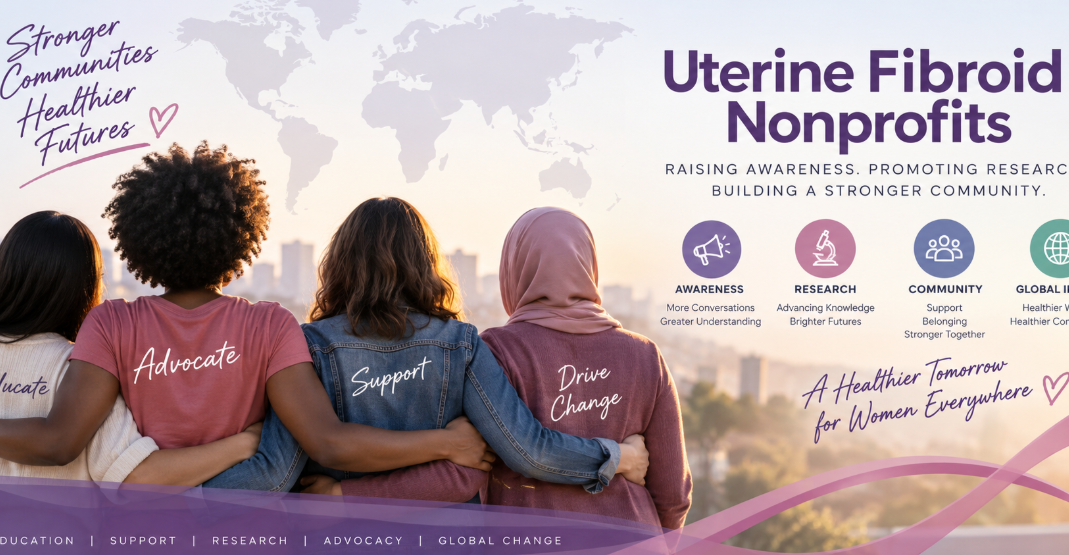
Uterine fibroids affect millions of women, yet many people spend years living with symptoms before receiving the information, support, or care they need.
For nonprofit organizations dedicated to uterine fibroid awareness, education, advocacy, research support, and community building, closing that gap takes more than publishing educational materials. It requires sustained engagement with people whose experiences with fibroids can vary considerably.
Someone may first approach an organization because she is trying to understand heavy menstrual bleeding or pelvic pain. Another person may be looking for a fibroid specialist, treatment information, financial assistance, or a support group. Someone else may want to participate in research, volunteer, attend an educational event, or simply connect with people who understand what she is experiencing.
That creates an operational challenge that can be easy to underestimate.
As an organization grows, how does it keep track of the people reaching out, understand what they need, connect them with appropriate resources, follow up, protect sensitive information, and demonstrate the impact of its programs?
For uterine fibroid nonprofits, good community support increasingly depends on good information management.
Everything in one place: clients, notes, forms, appointments, reports, and outcomes. 👉 Try it Free - No credit card needed💡All-in-one Case Management Software.
The Work Goes Far Beyond Raising Awareness
Public awareness is essential, but awareness is usually the beginning of the relationship rather than the end.
A person might discover an organization through a social media campaign, awareness event, webinar, community health program, physician referral, or online search. After making contact, that individual may need several different forms of support.
This could include educational resources about fibroids, information about treatment options, referrals to healthcare or community resources, peer support, research participation opportunities, event invitations, or follow-up from an advocate.
The organization needs some way to manage that journey.
If information is spread across spreadsheets, inboxes, online form platforms, shared drives, paper records, and individual staff members’ notes, maintaining continuity becomes difficult.
A spreadsheet may tell you that someone attended a webinar. An email inbox may contain her request for additional information. A separate form may show that she expressed interest in a research study. A staff member may have notes about a referral.
Individually, each record is useful. Collectively, they don’t necessarily provide a clear picture of the person’s engagement with the organization.
That fragmentation becomes a bigger problem as programs expand.
👉 Try it Free - Free Case Management System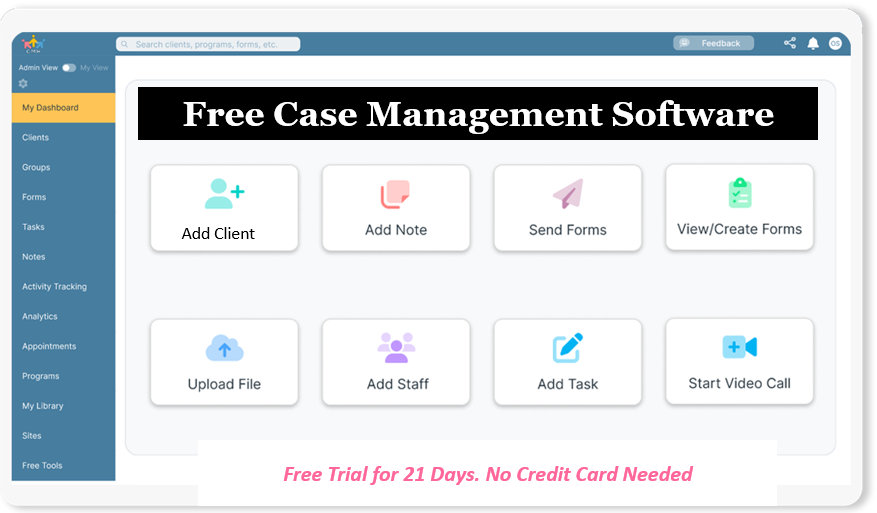
Start With a Clear Picture of Who the Organization Serves
Not every person who interacts with a uterine fibroid nonprofit should be treated as the same type of participant.
Organizations may engage with people living with fibroids, family members, caregivers, healthcare professionals, researchers, volunteers, donors, advocates, community partners, and people who are still trying to determine whether their symptoms could be related to fibroids.
Those relationships have different purposes.
A practical information system should allow the organization to distinguish among them while maintaining a useful history of each relationship.
For someone seeking support, for example, a participant record might contain demographic information the organization has chosen to collect, communication history, programs attended, requested resources, referrals, follow-up activities, surveys, and consent documentation.
The goal isn’t to collect information simply because software makes it possible. Collect what supports the mission, programs, reporting requirements, or participant experience.
Health advocacy organizations should be especially disciplined here. Sensitive information deserves a clear purpose, appropriate permissions, and careful handling.
Build a Better Intake and Support Process
Many organizations first feel the strain at intake.
Someone completes a “Get Support” form. Another person emails the organization. Someone calls after attending an event. A community partner sends a referral.
Without a consistent process, staff may manually transfer information into a spreadsheet, forward messages internally, or maintain separate tracking documents.
A better approach is to define what should happen from the moment someone reaches out.
For example:
Initial inquiry → intake → needs identified → resources or referral provided → follow-up → outcome recorded
The exact workflow will depend on the organization. A nonprofit focused primarily on education won’t need the same intake process as one providing navigation or peer support.
What matters is consistency.
Digital intake forms can also be designed around the organization’s actual programs. Instead of collecting a generic set of contact details, an organization might ask what type of assistance the person is seeking and allow them to indicate interests such as education, support groups, research opportunities, advocacy activities, community events, or referrals.
That information can help staff respond appropriately without repeatedly asking the participant for the same details.
Switch to an all-in-one case management platform. 👉 Try it Free - No credit card needed🔥Still using spreadsheets for case management?
Make Referrals Trackable
Referral work can be one of the most valuable services a health advocacy nonprofit provides, but simply giving someone a phone number or website doesn’t tell the organization whether the referral helped.
A more useful referral process records what happened after the recommendation.
Organizations may want to track the referral destination, type of resource, date provided, staff member responsible, follow-up status, and outcome where appropriate.
Over time, referral data can answer practical questions.
Which resources are requested most frequently? Where are people struggling to find support? Which geographic areas have fewer available resources? Are certain needs appearing repeatedly? Are people successfully connecting with organizations to which they are referred?
That information can influence future partnerships, community programming, educational content, and advocacy priorities.
Treat Community Engagement as a Relationship, Not an Attendance Count
Building a supportive fibroid community requires more than counting how many people registered for an event.
Consider someone who attends a virtual education session, later joins a support program, completes a survey, receives a referral, and eventually volunteers at an awareness event.
Those aren’t five unrelated transactions. They represent an evolving relationship with the organization.
Being able to see that history helps staff understand engagement more meaningfully.
It can also help nonprofits distinguish between reach and sustained participation.
A campaign that reaches thousands of people may be successful at awareness. A peer-support initiative may reach far fewer people but generate repeated participation and deeper engagement. Both can be valuable, but they shouldn’t necessarily be measured the same way.
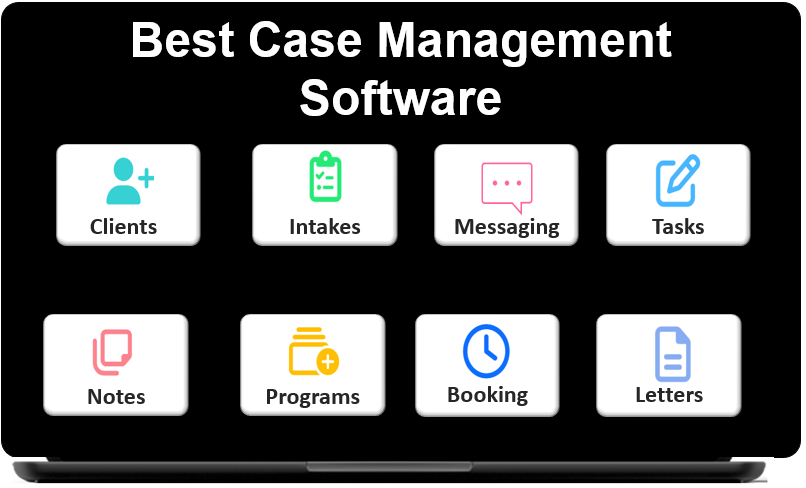 👉 Try it free today - No credit card needed
Use Community Data to Support Research Without Overstepping
Organizations dedicated to promoting uterine fibroid research occupy an important position between communities, researchers, healthcare professionals, and advocates.
They can help identify research interests, share approved research opportunities, recruit interested participants where appropriate, conduct community surveys, and communicate issues that people living with fibroids consistently raise.
That requires organized data.
For example, a nonprofit might create a voluntary survey asking participants about topics they believe researchers should prioritize. Responses could be analyzed in aggregate to identify recurring themes.
The same principle applies to research recruitment. Rather than searching through old emails whenever a new opportunity appears, an organization could maintain participant preferences indicating who has voluntarily expressed interest in hearing about future research opportunities.
Consent matters. Participating in a nonprofit’s support program shouldn’t automatically mean someone has agreed to research recruitment or broader use of their information. Those choices should be captured clearly.
Measure What Actually Demonstrates Impact
Nonprofits often collect plenty of data but still struggle to answer basic questions about their impact.
Counting activities is relatively easy:
- People attending an awareness event
- Educational materials distributed
- Support requests received
- Referrals made
- Surveys completed
- Volunteers participating
Those numbers matter, but they describe activity more than impact.
Depending on the organization’s mission, stronger measures might examine whether participants gained knowledge, successfully connected with resources, remained engaged with support programs, or reported that a program addressed the need that brought them to the organization.
The right metrics will differ considerably between organizations.
A research-focused nonprofit may care about research participation and community engagement with investigators. An advocacy organization may need to track outreach and campaign participation. A patient-support organization may place greater emphasis on referrals, follow-ups, and participant-reported outcomes.
The software should adapt to those measures rather than forcing the organization into a generic reporting structure.
👉 Try it Free today - No credit card needed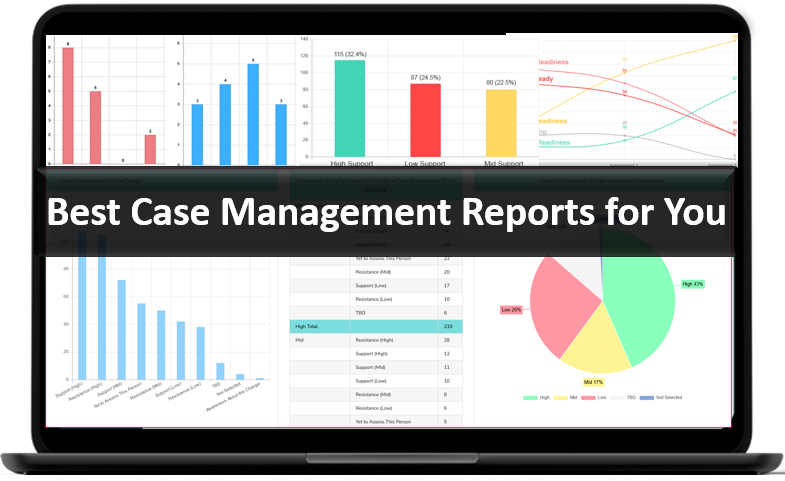
Give Funders and Partners a Clearer View of the Work
Grant reporting often exposes weaknesses in an organization’s data practices.
If staff must open several spreadsheets, search through registration lists, count records manually, and reconcile inconsistent participant information every time a report is due, reporting becomes unnecessarily labor-intensive.
Centralized program data makes it easier to answer questions such as how many people were served during a specific period, what services they received, which programs they participated in, where participants were located, how many referrals were completed, and what outcomes were recorded.
This isn’t only about making grant reports easier.
Reliable data gives leadership a clearer picture of where programs are working, where demand is increasing, and where resources may need to shift.
Protect Sensitive Information Without Making the System Impossible to Use
Uterine fibroid organizations may collect personal and potentially sensitive information. Access shouldn’t automatically be identical for every employee, volunteer, intern, advocate, or program partner.
Role-based permissions can help separate responsibilities.
A volunteer assisting with an awareness event may only need access to event-related information. A program manager may need broader participant and reporting access. Leadership may require organization-wide analytics without needing to work inside every participant record.
Organizations should determine what information they genuinely need, who needs access to it, how long it should be retained, and what privacy or regulatory requirements apply to their specific activities.
Security shouldn’t be treated as a software checkbox. It should be part of the organization’s operating model.
👉 Try it free today - No credit card needed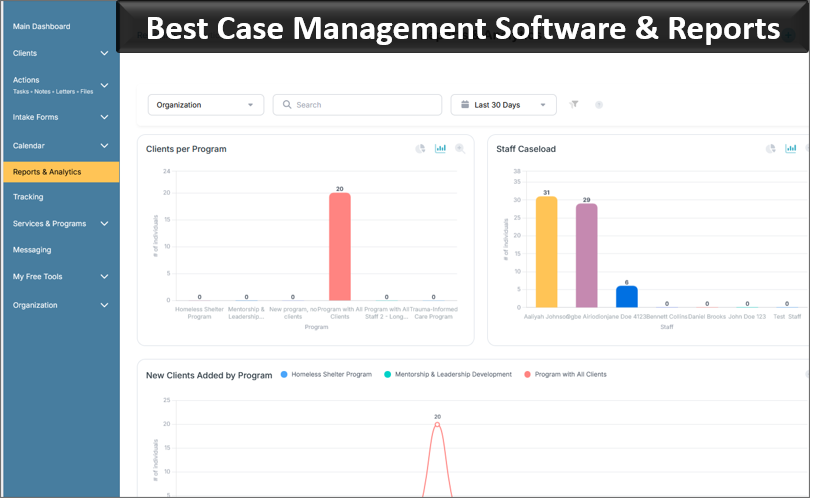
Where Case Management Software Fits
Once a fibroid nonprofit reaches the point where spreadsheets, emails, paper files, and disconnected applications are making the work harder, case management software can provide a more structured foundation.
This is where Case Management Hub (CMH) can be useful.
CMH is designed for nonprofits, advocacy organizations, community-based organizations, healthcare-related teams, human services programs, and other organizations that need to manage people, programs, documentation, referrals, and outcomes in one centralized platform.
For an organization supporting people affected by uterine fibroids, CMH could be configured around its actual programs rather than forcing the organization into a clinical workflow.
An organization could create customized intake and survey forms, maintain participant profiles, organize people by programs or groups, track referrals, record interactions and services, manage documents, assign staff tasks, schedule follow-ups, and generate custom reports.
That flexibility matters because a uterine fibroid advocacy nonprofit isn’t necessarily operating like a clinic.
It may be running awareness campaigns, educational webinars, patient-support programs, research initiatives, community events, peer groups, volunteer programs, and advocacy activities simultaneously. The information system needs to reflect those differences.
A Practical CMH Workflow for a Fibroid Support Organization
Imagine that someone visits the organization’s website after experiencing fibroid symptoms and looking for support.
She completes an online intake form indicating that she wants educational information, would like help finding resources, and is interested in future research opportunities.
Her information can become part of a centralized participant record rather than remaining isolated in a form inbox.
A program coordinator reviews the request, documents the interaction, provides relevant resources, and records any referral. A follow-up task can be created so the request doesn’t disappear after the first contact.
If the participant later attends an educational program or joins a support group, that involvement can become part of the same history.
Custom fields and forms can capture the information the nonprofit actually needs. Programs and groups can organize different initiatives. Referral tools can document incoming and outgoing referrals. Tasks and reminders can support follow-up. Reporting tools can help leadership analyze participation, services, demographics, referrals, program activity, and other tracked information.
For organizations conducting community surveys or collecting feedback, custom forms can also be used to structure the data so it can be reported rather than leaving responses scattered across separate files.
CMH supports cloud-based access, customizable forms and fields, client or participant portals, role-based permissions, document management, program tracking, goal tracking, referrals, electronic signatures, reporting, data exports, and mobile-responsive access.
The objective isn’t to turn advocacy into case management for its own sake. It’s to give the organization enough structure that people don’t fall through the cracks and program data can actually be used.
What to Look for Before Choosing Any Platform
Software should follow the organization’s operating model, not dictate it.
Before choosing a platform, map the journey from the first point of contact through ongoing engagement. Identify what staff repeatedly enter by hand, where information becomes duplicated, which follow-ups are easiest to miss, and which questions become difficult to answer during grant reporting.
Then evaluate whether a system can support those workflows without unnecessary complexity.
For uterine fibroid organizations in particular, customization deserves close attention. Programs can range from education and peer support to advocacy and research engagement, so rigid software built around a single service model may create more work rather than less.
The organization should also examine permissions, security, reporting flexibility, data export capabilities, mobile access, ease of use, and whether existing records can be migrated without rebuilding everything manually.
Everything in one place: clients, notes, forms, appointments, reports, and outcomes. 👉 Try it Free - No credit card needed💡All-in-one Case Management Software.
Better Infrastructure Supports a Stronger Fibroid Community
The visible work of a uterine fibroid nonprofit happens in communities: educating people, amplifying patient experiences, supporting research, connecting individuals with resources, and pushing the issue into conversations where it has historically received too little attention.
Behind that work is an operational system that determines whether information is remembered, follow-ups happen, programs can be evaluated, and organizational knowledge survives staff and volunteer transitions.
That infrastructure rarely receives the same attention as an awareness campaign or community event, but it affects both.
A nonprofit doesn’t need to collect every possible data point or turn every interaction into a complicated workflow. It needs enough structure to understand who it serves, what people are asking for, what support was provided, what happened next, and whether its programs are making the difference they were designed to make.
For organizations working to change the conversation around uterine fibroids, that foundation can make it easier to grow without losing the personal, community-centered approach that made the work valuable in the first place.
👉 Try it Free - Free Case Management System
FAQs About Uterine Fibroid Nonprofits and Case Management Software
What do uterine fibroid nonprofit organizations do?
Uterine fibroid nonprofit organizations raise fibroid awareness, provide education and community support, connect people with resources, promote research opportunities, and support advocacy efforts. Their programs may include educational events, support groups, referrals, research engagement, and community outreach.
How can uterine fibroid organizations better support patients and communities?
Uterine fibroid organizations can strengthen patient and community support by creating consistent intake processes, tracking referrals and follow-ups, managing educational programs, collecting participant feedback, and maintaining organized records of community engagement and services.
What is nonprofit case management software?
Nonprofit case management software is a digital system for managing participant information, programs, referrals, services, documents, follow-ups, and outcomes. It helps nonprofits replace disconnected spreadsheets, forms, emails, and paper records with a centralized system for managing their work.
What features should case management software for health nonprofits include?
Case management software for health nonprofits should support customizable intake forms, participant profiles, program tracking, referrals, tasks and reminders, document management, role-based permissions, surveys, reporting, and data exports. The platform should also be flexible enough to support advocacy, education, research engagement, and community programs.
How can Case Management Hub help uterine fibroid nonprofit organizations?
Case Management Hub can help uterine fibroid nonprofits centralize participant records, customize intake and survey forms, track programs and referrals, manage follow-ups, organize documents, and generate reports. Organizations can configure the software around fibroid awareness, patient support, research engagement, advocacy, and community programs.
Find the Right Case Management Solution for Your Organization: All-in-One Case Management Resource Center.
Note: Content on this casemanagementhub.org site is copyrighted and protected under applicable copyright laws. Read Terms of Use.
Disclaimer: Case Management Hub is an educational resource and software provider site. Our content is not medical advice. Use of this site does not create a provider-patient relationship. Read our full disclaimer here: Case Management Hub Disclaimer.