
Social Work Supervisor Grade 1 Interview Questions and Answers for Correctional Facilities
Preparing for a Social Work Supervisor Grade 1 interview at a correctional facility requires more than reviewing general social work interview questions.
These roles typically combine direct social work knowledge with leadership, staff supervision, case management, documentation oversight, crisis response, ethical decision-making, rehabilitation planning, and multidisciplinary collaboration.
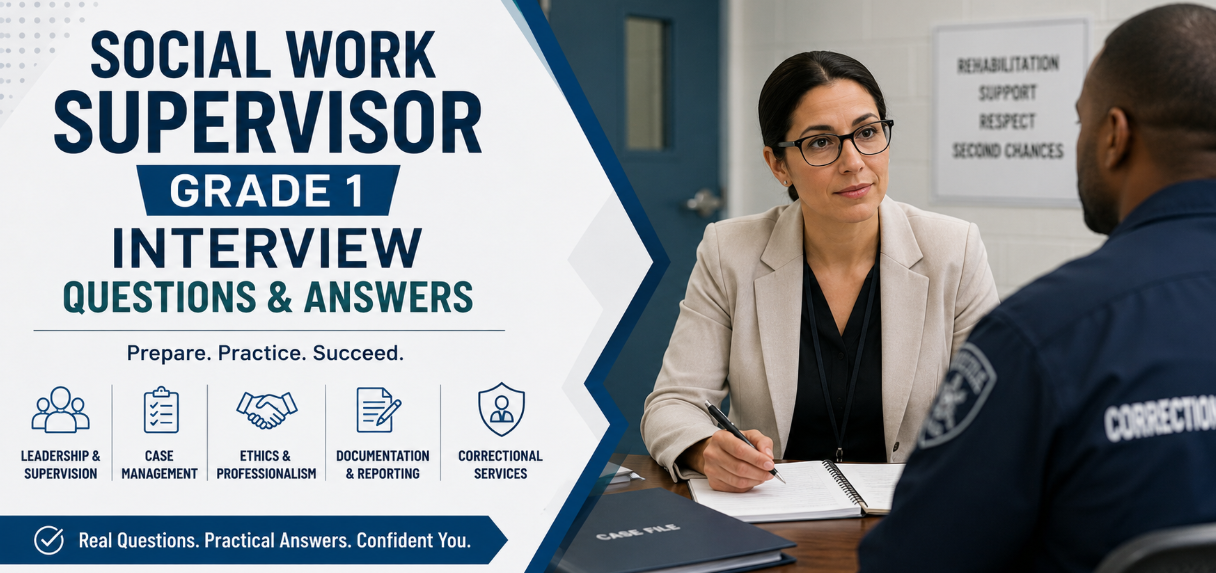
A strong candidate needs to show that they can support clients while also leading social workers, monitoring caseloads, maintaining professional standards, resolving team issues, and helping improve service quality.
This guide covers common Social Work Supervisor Grade 1 interview questions and answers, including questions about correctional social work, supervision, offender rehabilitation, case documentation, staff performance, crisis intervention, professional boundaries, case management, and leadership.
💡All-in-one Case Management Software.
Everything in one place: clients, notes, forms, appointments, reports, and outcomes.
👉 Try it Free - No credit card needed
What Is a Social Work Supervisor Grade 1?
A Social Work Supervisor Grade 1 is a social work professional who provides oversight, guidance, and support to other social workers while helping ensure that services are delivered effectively and professionally.
In a correctional facility, the role may include:
- Supervising social workers
- Reviewing complex cases
- Monitoring caseloads
- Supporting staff development
- Reviewing documentation
- Monitoring case notes and assessments
- Addressing performance issues
- Supporting rehabilitation services
- Coordinating with multidisciplinary teams
- Helping manage crisis situations
- Monitoring service quality
- Supporting reintegration and reentry planning
- Ensuring compliance with professional and organizational standards
Candidates preparing for a Social Work Supervisor Grade 1 interview should be ready to demonstrate both social work expertise and leadership ability.
What Does a Social Work Supervisor Do in a Correctional Facility?
A social work supervisor in a correctional setting may oversee services involving:
- Psychosocial assessments
- Case planning
- Individual interventions
- Group interventions
- Crisis intervention
- Family support
- Substance use services
- Mental health referrals
- Rehabilitation planning
- Reintegration planning
- Reentry services
- Client documentation
- Case notes
- Referral coordination
- Goal tracking
- Staff supervision
- Caseload management
- Performance management
- Quality assurance
- Multidisciplinary collaboration
The exact responsibilities vary by organization and jurisdiction, but the role generally requires a balance of empathy, structure, professionalism, leadership, and accountability.
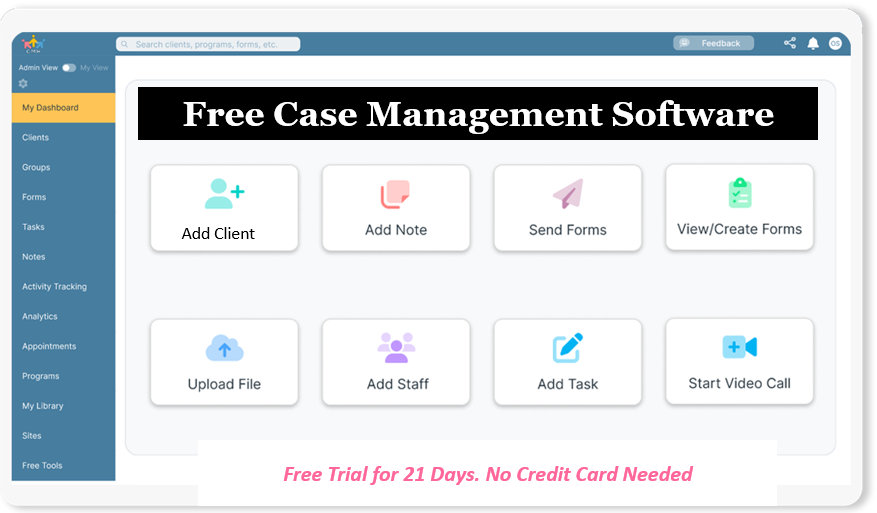
👉 Try it Free - Free Case Management System
Top Social Work Supervisor Grade 1 Interview Questions and Answers
1. Tell Us About Yourself and Your Social Work Experience
Sample Answer
I am a social work professional with experience supporting individuals facing complex personal, social, behavioral, family, and environmental challenges.
My experience has helped me build strong skills in assessment, case planning, documentation, crisis intervention, service coordination, client advocacy, and multidisciplinary collaboration.
Over time, I have also taken on responsibilities involving case review, team support, problem solving, and maintaining professional standards.
I am interested in a Social Work Supervisor Grade 1 position because it allows me to combine my social work experience with leadership, staff development, service quality, and professional supervision.
2. Why Do You Want to Be a Social Work Supervisor Grade 1?
Sample Answer
I am interested in social work supervision because effective supervision can improve both staff performance and client outcomes.
A strong supervisor helps social workers manage complex cases, improve documentation, develop professionally, prioritize workloads, and maintain consistent standards of practice.
I am ready to contribute at a broader level by helping strengthen the performance of the team while still remaining focused on quality social work services.
3. Why Do You Want to Work in a Correctional Facility?
Sample Answer
Correctional social work provides an opportunity to work with individuals who may have complex needs involving family relationships, trauma, housing, employment, substance use, mental health, education, and community support.
I am interested in contributing to rehabilitation and reintegration while working within a structured environment that requires strong professional judgment and clear boundaries.
I also value the multidisciplinary nature of correctional services, where social workers often collaborate with correctional staff, healthcare professionals, psychologists, program teams, probation officers, parole officers, and community providers.
4. What Makes You a Strong Candidate for a Social Work Supervisor Position?
Sample Answer
I believe a strong social work supervisor needs professional knowledge, leadership ability, communication skills, emotional intelligence, organization, and sound judgment.
My strengths include managing complex situations, setting expectations, reviewing cases, supporting staff development, providing constructive feedback, maintaining professional standards, and remaining calm under pressure.
I also understand that supervision is not only about identifying problems. It is about helping staff improve, strengthening the quality of practice, and ensuring clients receive consistent and appropriate services.
5. How Would You Supervise Social Workers in a Correctional Facility?
Sample Answer
I would use a structured supervision approach.
This would include regular case reviews, workload discussions, documentation review, professional development, problem solving, and opportunities for reflective practice.
I would make sure each social worker understands their responsibilities, priorities, deadlines, documentation requirements, and performance expectations.
For complex or high-risk cases, I would increase supervision and help staff examine client needs, risks, interventions, referrals, ethical issues, and follow-up actions.
6. How Would You Manage a Team With High Caseloads?
Sample Answer
I would begin by reviewing both the number and complexity of cases assigned to each social worker.
Caseload management should not be based only on numbers because some cases require significantly more time and intervention than others.
I would review urgent cases, deadlines, assessments, follow-ups, case notes, referrals, release planning, and staff capacity.
Where appropriate, I would redistribute work, clarify priorities, improve workflows, and address bottlenecks that are creating unnecessary workload.
I would also review caseloads regularly because workload pressures can change quickly.
7. How Do You Prioritize Social Work Cases?
Sample Answer
I prioritize based on urgency, risk, client vulnerability, legal or institutional requirements, deadlines, and the consequences of delayed intervention.
Cases involving immediate safety concerns, crisis situations, serious mental health concerns, abuse, urgent release planning, or high-risk circumstances would receive priority.
After urgent matters are addressed, I would organize remaining work based on client needs, deadlines, required interventions, and available resources.
8. How Would You Handle an Underperforming Social Worker?
Sample Answer
I would first identify the specific performance concern.
The issue might involve documentation quality, missed deadlines, communication, caseload management, professional conduct, or difficulty managing certain types of cases.
I would meet privately with the employee, explain the expected standard, listen to their perspective, and determine whether additional coaching, training, clarification, or resources are needed.
We would establish clear expectations for improvement and follow-up.
If performance did not improve, I would follow the appropriate performance management process.
9. How Do You Give Constructive Feedback?
Sample Answer
I believe feedback should be specific, timely, respectful, and focused on performance rather than personality.
I would explain what I observed, why it matters, what the expected standard is, and what needs to improve.
I would also give the employee an opportunity to provide context and participate in identifying solutions.
Constructive feedback should help the employee understand what success looks like and how to get there.
10. How Would You Handle Conflict Between Two Social Workers?
Sample Answer
I would address the conflict early before it begins affecting teamwork or client services.
I would first understand each person’s perspective and identify the specific issue.
Then I would bring the discussion back to professional expectations, respectful communication, shared responsibilities, and the needs of the clients and team.
I would work with both employees to establish clear agreements about how they will work together moving forward.
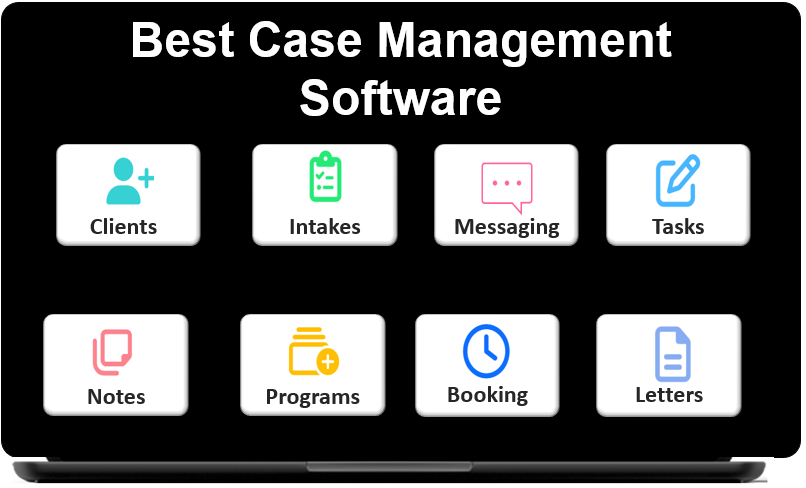 👉 Try it free today - No credit card needed
11. How Would You Handle Conflict Between a Social Worker and Correctional Staff?
Sample Answer
Correctional settings include professionals with different responsibilities, so disagreements can occur.
I would listen to both perspectives, clarify the issue, review relevant policies, and keep the discussion focused on professional responsibilities, client services, and safety.
I would encourage respectful communication and work toward a practical solution.
Social workers need to maintain strong working relationships with correctional staff while also upholding professional social work standards.
12. How Would You Handle an Ethical Dilemma in a Correctional Setting?
Sample Answer
I would begin by clearly identifying the ethical issue and separating facts from assumptions.
I would review professional standards, organizational policy, legal requirements, confidentiality considerations, safety issues, client rights, and available options.
For a complex issue, I would seek appropriate consultation.
I would document the decision-making process and make sure the final action is professionally defensible and focused on minimizing harm.
13. How Do You Maintain Professional Boundaries With Offenders or Inmates?
Sample Answer
Professional boundaries require consistency, respect, and clarity.
Interactions should remain focused on professional responsibilities and client needs.
Staff should avoid inappropriate personal relationships, excessive self-disclosure, favors, private communication, or conduct that could compromise professional judgment.
As a supervisor, I would regularly reinforce boundary expectations and encourage staff to raise concerns early.
14. How Would You Respond to a Client in Crisis?
Sample Answer
My first priority would be safety.
I would assess the nature and severity of the crisis, remain calm, gather relevant information, follow institutional procedures, and involve the appropriate professionals.
Depending on the situation, this could include correctional staff, mental health professionals, healthcare providers, supervisors, or emergency services.
After the immediate crisis is stabilized, I would make sure that follow-up actions, documentation, referrals, and case planning are completed.
15. How Would You Supervise a Social Worker Handling a High-Risk Case?
Sample Answer
I would increase the level of supervision and ensure that the social worker is not managing the case in isolation.
We would review the assessment, client history, identified risks, strengths, interventions, documentation, referrals, and relevant policies.
I would help the employee identify immediate priorities and determine whether additional professionals should be involved.
I would also schedule follow-up reviews until the case becomes more stable.
16. How Do You Ensure Social Workers Complete Accurate Case Documentation?
Sample Answer
I would establish clear documentation expectations and regularly review case notes, assessments, plans, referrals, and other records.
Documentation should be timely, factual, professional, complete, and relevant to the services provided.
When I identify problems, I would provide specific feedback and coaching.
If the same issue appears across multiple staff members, I would consider whether additional team training or improved documentation processes are needed.
17. Why Is Case Documentation Important in Correctional Social Work?
Sample Answer
Case documentation supports continuity of care, accountability, communication, supervision, risk management, service planning, and reporting.
Multiple professionals may be involved with the same individual, so accurate records help everyone understand what interventions occurred, what concerns were identified, what referrals were made, and what actions remain outstanding.
Good documentation also provides a clear record of professional decision-making.

👉 Try it Free today - No credit card needed
18. How Would You Monitor the Quality of Case Notes?
Sample Answer
I would review case notes for timeliness, completeness, clarity, objectivity, professional language, and relevance.
I would look for whether the note explains what happened, what the social worker observed or assessed, what action was taken, and what follow-up is required.
I would give individual feedback when needed and identify common documentation problems that may require broader training.
19. How Do You Approach Case Management in a Correctional Setting?
Sample Answer
I view correctional case management as a structured process that starts with understanding the individual’s needs, risks, strengths, circumstances, and rehabilitation goals.
From there, the team can identify appropriate services, interventions, referrals, goals, and follow-up actions.
Effective case management also requires consistent documentation, collaboration, progress monitoring, and preparation for transitions when appropriate.
The goal is to ensure that services are coordinated rather than fragmented.
20. How Would You Support Offender Rehabilitation?
Sample Answer
Rehabilitation should address the factors that affect an individual’s ability to make positive changes.
Depending on the person’s needs, this may include counseling, family interventions, substance use services, behavioral programs, education, employment preparation, healthcare, housing support, or community referrals.
As a supervisor, I would help ensure that social workers develop realistic case plans, monitor progress, document interventions, coordinate services, and adjust plans when circumstances change.
21. How Would You Support Reintegration or Reentry Planning?
Sample Answer
Effective reintegration planning should begin before release.
The social worker should assess likely challenges involving housing, employment, family relationships, healthcare, identification documents, transportation, mental health support, substance use treatment, financial resources, and community services.
I would encourage staff to develop clear transition plans and coordinate referrals where possible.
Good follow-up and documentation are also essential.
22. How Do You Work With a Multidisciplinary Team?
Sample Answer
I believe multidisciplinary collaboration works best when professionals understand their roles, communicate respectfully, share relevant information appropriately, and remain focused on shared outcomes.
As a supervisor, I would encourage social workers to contribute their professional assessment while also considering input from correctional staff, psychologists, healthcare professionals, program teams, probation officers, parole officers, and community providers.
23. How Would You Handle Confidentiality in a Correctional Facility?
Sample Answer
Confidentiality remains an important professional responsibility.
At the same time, correctional environments may involve specific safety, legal, and institutional requirements.
I would make sure staff understand what information should remain confidential, what information may need to be shared, who is authorized to receive it, and how records should be handled.
When uncertainty exists, I would encourage consultation rather than assumptions.
24. How Do You Motivate a Social Work Team?
Sample Answer
I believe motivation comes from clear expectations, meaningful work, recognition, development opportunities, support, and accountability.
I would make sure staff understand how their work contributes to client outcomes and rehabilitation.
I would recognize strong performance, provide opportunities for development, involve staff in problem solving, and address workload concerns when possible.
25. How Do You Support Staff Experiencing Stress or Burnout?
Sample Answer
Correctional social work can be demanding, so supervisors need to pay attention to workload, emotional strain, and changes in employee performance.
I would encourage staff to raise concerns early and use supervision to discuss challenging cases, workload, professional boundaries, and coping strategies.
Where possible, I would adjust priorities or caseloads and connect staff with available support.
I would also maintain clear professional expectations.
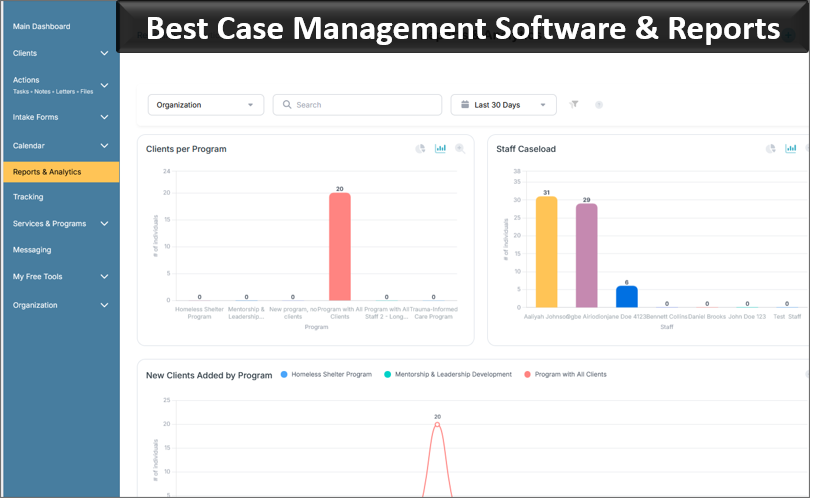
👉 Try it free today - No credit card needed
26. How Would You Introduce a New Policy or Procedure to Your Team?
Sample Answer
I would first make sure I fully understand the policy, its purpose, effective date, and impact on current work.
I would then explain the change clearly, outline expectations, answer questions, and provide practical examples.
If the change affects documentation or case management, I would provide guidance or training.
After implementation, I would monitor progress and address recurring concerns.
27. How Do You Manage Resistance to Change?
Sample Answer
I would first try to understand why the employee or team is resistant.
Resistance may come from uncertainty, workload concerns, lack of information, or disagreement with the change.
I would explain the reason for the change, clarify expectations, listen to legitimate concerns, and involve staff in solving practical implementation issues where appropriate.
Once expectations are clear, I would monitor implementation and address ongoing problems through normal supervisory processes.
28. How Would You Handle a Complaint Against a Social Worker?
Sample Answer
I would take the complaint seriously without immediately assuming that either side is correct.
I would gather relevant information, review documentation, speak with the appropriate individuals, and follow organizational procedures.
The social worker should have an opportunity to respond.
If the complaint identifies a practice or conduct issue, I would address it appropriately through supervision, coaching, training, performance management, or formal procedures depending on the seriousness of the matter.
29. How Would You Make Sure Your Team Meets Deadlines?
Sample Answer
I would make deadlines clear and visible.
I would also use regular supervision and workload reviews to identify upcoming assessments, reports, follow-ups, case reviews, and other time-sensitive requirements.
If deadlines are repeatedly missed, I would determine whether the cause is workload, workflow, unclear expectations, training needs, or performance.
The solution should address the underlying cause.
30. How Would You Evaluate the Performance of a Social Worker?
Sample Answer
I would evaluate both the quality and consistency of the employee’s work.
Areas may include case management, documentation, client engagement, communication, teamwork, professional conduct, policy compliance, productivity, caseload management, follow-up, and professional development.
Performance discussions should include specific examples and clear expectations.
Employees should also receive feedback throughout the year so formal evaluations do not come as a surprise.
Scenario-Based Social Work Supervisor Interview Questions
31. A Social Worker Has Fallen Behind on Case Notes. What Would You Do?
Sample Answer
I would first determine how serious the backlog is and whether any urgent or high-risk cases have incomplete documentation.
I would then meet with the employee to understand what caused the problem.
We would develop a realistic plan to bring documentation up to date while ensuring current work continues to be documented on time.
I would monitor progress and address any underlying workload, training, workflow, or performance issues.
32. Two Employees Disagree About How a Client’s Case Should Be Handled. What Would You Do?
Sample Answer
I would bring the discussion back to the client’s needs, assessment findings, professional standards, risk considerations, and relevant policy.
Each employee should have the opportunity to explain their reasoning.
If one approach is clearly more appropriate, I would explain the decision and the rationale.
For particularly complex cases, I may seek additional consultation.
33. A Social Worker Tells You They Feel Unsafe Working With a Particular Client. How Would You Respond?
Sample Answer
I would take the concern seriously and gather specific information about what has occurred.
I would assess immediate safety concerns and review the applicable procedures.
Depending on the circumstances, I might change how services are delivered, involve additional staff, adjust assignments, or implement other safety measures.
Staff safety and appropriate client services both need to be considered.
34. You Discover That Important Case Information Was Not Documented. What Would You Do?
Sample Answer
I would first determine the seriousness of the missing information and whether immediate action is required.
The record should be corrected according to documentation procedures without creating a misleading record.
I would then address the issue with the staff member and determine whether it resulted from an oversight, unclear expectations, workload pressure, or a recurring performance issue.
The goal would be to correct the immediate problem and reduce the likelihood of it happening again.
35. A Staff Member Disagrees With Your Supervisory Decision. How Would You Handle It?
Sample Answer
I would allow the employee to explain their concerns.
Staff may sometimes have information that affects a decision, so I would listen and review the facts.
If the decision should change, I would be willing to adjust it.
If the decision remains appropriate, I would explain the reasoning and clarify expectations.
Employees should be able to disagree professionally while still maintaining accountability.
Leadership Questions for a Social Work Supervisor Grade 1 Interview
36. What Is Your Leadership Style?
Sample Answer
My leadership style is supportive, structured, and accountable.
I believe employees perform best when they understand expectations, receive regular feedback, have access to guidance, and know that their supervisor will support them through difficult situations.
At the same time, supportive leadership includes accountability.
I address concerns early, communicate clearly, and help employees build the skills they need to succeed.
37. How Do You Develop Social Workers Professionally?
Sample Answer
I use supervision to identify both strengths and development needs.
Development may include coaching, case consultation, training, peer learning, observation, reflective practice, or new responsibilities.
My goal is to help staff become more confident, independent, and capable over time.
38. What Would Your Staff Say About You as a Supervisor?
Sample Answer
I would hope they would describe me as approachable, fair, clear, consistent, and supportive.
I want employees to know that they can bring difficult issues to me and receive thoughtful guidance.
I would also want them to say that I maintain professional standards and address concerns consistently.
39. How Do You Balance Support and Accountability?
Sample Answer
I see support and accountability as connected.
Employees should receive the supervision, resources, training, and guidance they need to succeed.
Once expectations are clear and appropriate support has been provided, they are also responsible for meeting professional standards.
A strong supervisor helps employees succeed while still addressing performance issues when necessary.
40. Why Should We Hire You?
Sample Answer
You should hire me because I bring a combination of social work experience, leadership ability, professional judgment, communication skills, and a strong commitment to quality services.
I understand that a Social Work Supervisor Grade 1 in a correctional facility must support both staff and clients while working within professional, organizational, and security requirements.
I would bring a structured and collaborative approach to supervision, with strong attention to case quality, documentation, ethical practice, staff development, caseload management, and rehabilitation outcomes.
Questions You May Be Asked About Case Management
Case management is a major part of correctional social work supervision.
Interviewers may ask questions such as:
- How do you monitor staff caseloads?
- How do you track overdue follow-ups?
- How do you review client progress?
- How do you monitor case notes?
- How do you track referrals?
- How do you identify missing documentation?
- How do you monitor rehabilitation goals?
- How do you track service delivery?
- How do you ensure staff complete required tasks?
- How do you maintain complete client records?
- How do you monitor cases across multiple programs?
- How do you ensure continuity when more than one professional is involved?
Social work supervisors need clear visibility into cases, client needs, documentation, services, tasks, referrals, appointments, goals, and staff assignments.
A structured case management system can help teams keep this information organized and reduce reliance on disconnected spreadsheets, paper files, and separate documents.
💡All-in-one Case Management Software.
Everything in one place: clients, notes, forms, appointments, reports, and outcomes.
👉 Try it Free - No credit card needed
Correctional Social Work Topics to Review Before Your Interview
Rehabilitation
Be prepared to discuss how social workers contribute to behavioral change, personal development, family support, substance use recovery, education, employment readiness, and other rehabilitation goals.
Reintegration and Reentry
Understand how social workers can help individuals prepare for release and connect with housing, employment, healthcare, mental health services, family support, community programs, and other resources.
Risk and Needs Assessment
Review how assessment helps identify client risks, needs, strengths, barriers, vulnerabilities, and appropriate interventions.
Crisis Intervention
Be prepared to explain how you would respond to urgent behavioral, emotional, social, or safety concerns while following professional and institutional procedures.
Professional Ethics
Review confidentiality, professional boundaries, client rights, informed decision-making, conflicts of interest, ethical judgment, and appropriate information sharing.
Case Documentation
Be prepared to discuss case notes, assessments, case plans, referrals, service records, progress updates, outcomes, and quality review.
Staff Supervision
Expect questions about coaching, performance management, workload, difficult employees, conflict resolution, professional development, and supervision of complex cases.
Multidisciplinary Collaboration
Be ready to explain how you would work with correctional staff, clinicians, psychologists, healthcare professionals, probation officers, parole officers, community providers, and other stakeholders.
How to Prepare for a Social Work Supervisor Grade 1 Interview
Preparation should focus on both social work practice and leadership.
Review examples from your professional experience involving:
- A difficult case you managed
- A crisis you helped resolve
- A conflict you addressed
- A colleague or employee you coached
- A process you improved
- A time you managed competing priorities
- An ethical issue you handled
- A difficult decision you made
- A high-risk client situation
- A multidisciplinary case
- A documentation problem you corrected
- A workload issue you managed
- A change you helped implement
- A situation involving staff performance
For each example, be ready to explain:
- The situation
- Your responsibility
- The action you took
- The result
- What you learned
This is often referred to as the STAR method.
Questions to Ask at the End of a Social Work Supervisor Interview
Strong questions may include:
- What are the biggest priorities for the Social Work Supervisor Grade 1 during the first six months?
- How large is the social work team?
- How are caseloads assigned?
- How are caseloads monitored?
- What are the biggest challenges facing the social work department?
- How is supervision structured?
- What rehabilitation programs are currently available?
- How does the social work team collaborate with correctional and clinical staff?
- What systems are used for case documentation?
- How is staff performance evaluated?
- What professional development opportunities are available?
- How are complex or high-risk cases escalated?
These questions show that you are thinking about leadership, operations, staff support, and service quality.
👉 Try it Free - Free Case Management System
Frequently Asked Questions About Social Work Supervisor Grade 1 Interviews
What Questions Are Asked in a Social Work Supervisor Grade 1 Interview?
Common questions focus on social work experience, leadership, supervision, case management, conflict resolution, documentation, crisis intervention, ethics, professional boundaries, rehabilitation, teamwork, workload management, and employee performance.
How Do I Prepare for a Social Work Supervisor Grade 1 Interview?
Review the responsibilities of the position and prepare examples that demonstrate leadership, social work practice, staff supervision, case management, conflict resolution, crisis intervention, ethical decision-making, and staff development.
Use specific examples from your professional experience whenever possible.
What Should I Know Before a Correctional Social Work Interview?
You should understand correctional case management, rehabilitation, reintegration, crisis intervention, professional boundaries, confidentiality, documentation, risk assessment, multidisciplinary collaboration, and the role of social work within a correctional environment.
What Qualities Make a Good Social Work Supervisor?
Strong social work supervisors typically demonstrate:
- Sound judgment
- Clear communication
- Emotional intelligence
- Organization
- Fairness
- Professionalism
- Accountability
- Leadership
- Ethical decision-making
- Coaching ability
- Conflict resolution skills
- Strong case management knowledge
What Is the Role of Supervision in Social Work?
Social work supervision helps maintain professional standards while supporting staff development, case consultation, workload management, documentation quality, ethical practice, problem solving, and effective service delivery.
How Should I Answer Correctional Social Worker Interview Questions?
Use specific examples whenever possible.
Explain what happened, what your responsibility was, what action you took, and what result followed.
Your answers should demonstrate professional judgment, ethical practice, respect for clients, teamwork, communication, safety awareness, and an understanding of rehabilitation.
Are Correctional Social Work Supervisor Interviews Different From Regular Social Work Interviews?
They can be.
Correctional social work supervisor interviews may place greater emphasis on security, institutional procedures, professional boundaries, high-risk cases, rehabilitation, offender reintegration, crisis response, documentation, multidisciplinary collaboration, and supervising staff in a structured environment.
Final Tips for Your Social Work Supervisor Grade 1 Interview
A strong interview is not about memorizing perfect answers.
The interview panel wants to understand how you think, how you lead, how you respond to difficult situations, and whether you can maintain professional standards while supervising a social work team.
Prepare several strong examples from your experience and adapt them to different questions.
Focus your answers on leadership, professional judgment, accountability, case management, ethics, collaboration, rehabilitation, documentation, and communication.
Show that you can guide staff while maintaining clear standards.
Show that you understand both client needs and organizational responsibilities.
Show that you can handle complex cases without losing sight of safety, ethics, documentation, and follow-through.
The strongest Social Work Supervisor Grade 1 candidates demonstrate that they can support individuals while also leading the professionals responsible for delivering high-quality services.
In a correctional facility, that requires empathy, structure, sound judgment, professionalism, and accountability.
FAQ: Social Work Supervisor Grade 1 Interview Questions and Answers
What questions are asked in a Social Work Supervisor Grade 1 interview?
Common Social Work Supervisor Grade 1 interview questions focus on leadership, staff supervision, case management, documentation, crisis intervention, ethics, professional boundaries, conflict resolution, and rehabilitation. Candidates should be ready to explain how they manage teams, review cases, support staff development, and maintain professional standards in correctional settings.
How do I prepare for a correctional social work supervisor interview?
Prepare for a correctional social work supervisor interview by reviewing your experience with staff supervision, case management, high-risk cases, crisis intervention, documentation, offender rehabilitation, and multidisciplinary collaboration. Use specific examples that show sound judgment, leadership, accountability, and the ability to manage complex social work situations.
What are the duties of a Social Work Supervisor Grade 1 in a correctional facility?
A Social Work Supervisor Grade 1 may supervise social workers, review case notes and assessments, monitor caseloads, support rehabilitation and reentry planning, manage staff performance, coordinate services, and help ensure compliance with professional and organizational standards. The role combines social work expertise with leadership and quality oversight.
What skills are important for a social work supervisor in correctional services?
Important skills include leadership, communication, case management, conflict resolution, ethical decision-making, crisis intervention, documentation review, workload management, staff coaching, and multidisciplinary teamwork. Strong supervisors also need sound professional judgment and the ability to balance client needs with correctional policies and safety requirements.
How is case management used in correctional social work?
Case management in correctional social work helps teams assess client needs, coordinate services, track rehabilitation goals, manage referrals, document progress, and support reintegration or reentry planning. Structured case management also helps supervisors monitor caseloads, follow-ups, documentation quality, and service delivery across the social work team.
Find the Right Case Management Solution for Your Organization: All-in-One Case Management Resource Center.
Note: Content on this casemanagementhub.org site is copyrighted and protected under applicable copyright laws. Read Terms of Use.
Disclaimer: Case Management Hub is an educational resource and software provider site. Our content is not medical advice. Use of this site does not create a provider-patient relationship. Read our full disclaimer here: Case Management Hub Disclaimer.