
Case Management Software Pricing Comparison in 2026
Choosing the right platform in 2026 requires more than a quick look at monthly fees. A strong case management software pricing comparison should examine pricing structure, included features, compliance standards, onboarding costs, long-term scalability, and the overall value a platform delivers to the organization.
Many teams start by searching for the lowest price, but the smarter approach is to compare case management software cost against usability, reporting strength, customization, and support. This guide provides a practical, comprehensive look at how organizations can evaluate case management software pricing, compare plans with confidence, and identify the best fit for their workflows, reporting needs, and growth goals.
💡All-in-one Case Management Software.
Everything in one place: clients, notes, forms, appointments, reports, and outcomes.
👉 Try it Free - No credit card needed
Why a Pricing Comparison Matters in 2026-2027
The case management software market has become more sophisticated. Organizations are no longer choosing between a few simple systems with similar features. They are comparing cloud-based platforms with different billing models, compliance capabilities, automation tools, and reporting strengths. That means a surface-level price comparison can be misleading.
A platform with a lower monthly fee may require add-ons for essential features such as custom forms, advanced reporting, role-based permissions, appointment reminders, or secure document storage. Another system may cost more upfront but reduce administrative burden, improve data quality, and help staff work more efficiently. This is why a detailed case management system pricing breakdown is essential.
Organizations evaluating software in 2026 should compare:
- Monthly or annual subscription cost
- Per-user pricing versus flat-rate pricing
- Included features by pricing tier
- Implementation and onboarding fees
- Support, training, and customization costs
- Compliance and data security value
In practical terms, the goal is not only to find affordable case management software for nonprofits, clinics, schools, or social service teams. The goal is to choose a platform that helps the organization operate better, document services more effectively, and report outcomes with less friction.
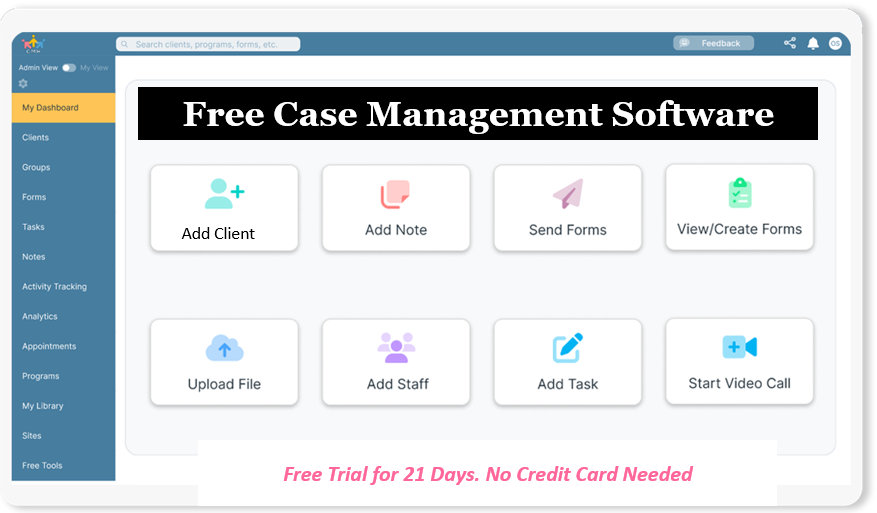
👉 Try it Free - Free Case Management System
Understanding the Most Common Pricing Models
Before comparing products, it helps to understand how vendors structure pricing. Most case management software pricing plans fall into a few major models. Each one affects budgeting, scalability, and long-term value.
Per-User Monthly Pricing
This is one of the most common models in the market. The organization pays a set monthly fee for each staff member using the system. This works well for small teams that want flexibility, but it can become expensive as the organization grows. When evaluating case management software pricing for small organizations, this model often looks attractive at first, but decision-makers should project the cost over the next 12 to 24 months.
Tiered Subscription Pricing
In this model, vendors group features into plan levels such as Basic, Standard, Professional, or Enterprise. Lower tiers may include notes, client records, and file storage, while higher tiers may add analytics, workflow automation, e-signatures, and advanced security controls. This structure is common when organizations compare case management software pricing plans because it makes feature differences more visible.
Flat-Rate Organizational Pricing
Some platforms use flat monthly or annual pricing for a specific number of users, programs, or service locations. This can be cost-effective for teams that expect to scale quickly or manage multiple departments. It can also reduce budgeting surprises.
Custom Enterprise Pricing
Enterprise case management software pricing usually applies to larger organizations with more complex requirements. These plans may include custom onboarding, API access, advanced reporting, dedicated support, multiple departments, or stronger compliance controls. Enterprise pricing can deliver strong value when the organization needs a more tailored system, but it requires close comparison of total cost and scope.
How Much Does Case Management Software Cost in 2026?
When organizations ask how much does case management software cost, the answer depends on user count, feature requirements, compliance needs, and support expectations. Pricing varies widely because the market serves solo practitioners, small nonprofits, behavioral health teams, community organizations, healthcare providers, and large government programs.
As a general benchmark, many platforms fall into the following pricing ranges:
- Entry-level tools: around $20 to $50 per user per month
- Mid-range solutions: around $50 to $100 per user per month
- Advanced platforms: around $100 to $150 per user per month
- Enterprise deployments: custom annual pricing based on scope and configuration
These figures are only part of the picture. Many organizations also need to consider costs related to setup, staff training, data migration, storage, custom forms, reporting configuration, and integration work. A lower recurring fee does not always produce a lower overall cost of ownership. The best value case management software platforms are often the ones that save time, reduce manual work, improve accuracy, and strengthen reporting outcomes.
🔥Still using spreadsheets for case management?
Switch to an all-in-one case management platform.
👉 Try it Free - No credit card needed
Case Management Software Pricing Comparison Table
The table below offers a simplified view of how organizations can approach a case management software pricing comparison. It aligns pricing tiers with typical features and ideal use cases, helping teams compare case management software pricing plans more strategically.
| Pricing Tier | Typical Cost | Common Features | Best Fit |
|---|---|---|---|
| Basic | $20 to $50 per user monthly | Client records, notes, simple file storage, basic reporting | Small teams, startups, early-stage programs |
| Standard | $50 to $100 per user monthly | Custom forms, dashboards, scheduling, stronger reporting | Growing nonprofits and multi-user service teams |
| Advanced | $100 to $150 per user monthly | Automation, analytics, permissions, integrations, outcome tracking | Mid-sized organizations with complex workflows |
| Enterprise | Custom pricing | Customization, API access, advanced security, priority support | Large agencies, healthcare networks, government programs |
This format is especially useful for organizations comparing all-in-one case management software pricing and features because it connects cost with operational impact rather than presenting price in isolation.
Industry-Specific Pricing Considerations
Pricing expectations can vary significantly by sector. That is why an organization should compare software options through the lens of its specific service model, documentation burden, compliance requirements, and reporting obligations.
Nonprofit Case Management Software Pricing
Nonprofit case management software pricing often reflects a strong need for affordability, especially for grant-funded organizations and community-based service providers. However, low cost alone is not enough. Nonprofits often need custom reports, outcome tracking, referral management, secure notes, and multi-program visibility. The best affordable case management software for nonprofits is software that reduces administrative strain while helping the organization show impact clearly.
Healthcare Case Management Software Cost Comparison
Healthcare case management software cost comparison tends to involve higher pricing because of documentation requirements, privacy controls, secure communication standards, and clinical workflow complexity. Organizations in healthcare should focus on whether pricing includes compliance protections, strong access controls, and workflows that support coordinated care.
Social Work Case Management Software Pricing
Social work case management software pricing usually centers on balancing affordability with usability. Social service organizations often need customizable forms, goal tracking, referrals, file storage, notes, and exportable reports. Systems that appear cheaper but make case documentation harder can create hidden costs through staff inefficiency and reporting gaps.
Behavioral Health Software Pricing Comparison
Behavioral health software pricing comparison often includes additional scrutiny around assessments, treatment planning, progress tracking, and privacy needs. Organizations in this space should look carefully at whether the software supports structured documentation, recurring workflows, and efficient tracking of outcomes over time.
Case Management Software for Government Agencies Cost
Case management software for government agencies cost is usually shaped by procurement complexity, oversight requirements, advanced permissions, large user counts, and the need for detailed reporting. Enterprise-level cost may be justified when the system can handle multiple locations, programs, service pathways, and data governance requirements efficiently.
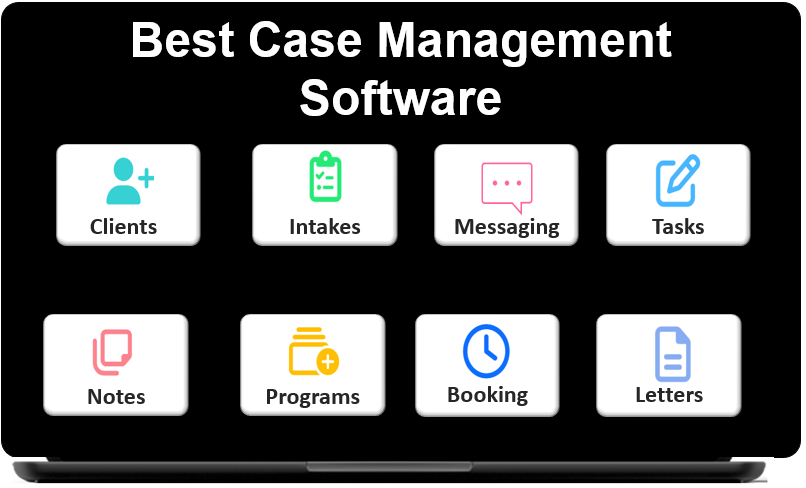 👉 Try it free today - No credit card needed
Case Management Software Cost vs Features
One of the most important evaluation steps is comparing case management software cost vs features. Two systems may have similar price points but very different levels of practical value. This is where organizations should move beyond marketing language and evaluate how each feature supports day-to-day operations.
Features that frequently influence value include:
- Custom intake forms and assessments
- Progress notes and case note templates
- Automated reminders and recurring tasks
- Referral tracking and collaboration tools
- Outcome dashboards and custom analytics
- Permissions, audit visibility, and security controls
- Data export and reporting flexibility
A system becomes expensive when staff spend too much time working around missing capabilities. A more complete platform often delivers stronger value because it centralizes operations and reduces the need for extra tools or manual processes. That is why organizations should search for best value case management software platforms rather than simply looking for the lowest monthly rate.
The Hidden Costs Organizations Often Overlook
A smart pricing review should include more than subscription cost. Hidden costs can significantly change which platform is truly more affordable.
Onboarding and Training
Some vendors charge separately for implementation support, onboarding sessions, and staff training. These services may be worth the cost if they help the organization launch successfully, but they should be included in any serious case management software pricing comparison.
Customization
Custom forms, data mapping, extra reports, and workflow configuration may involve additional fees. Organizations that need flexibility should confirm whether customization is included in the plan or treated as a premium service.
Data Migration
Moving from spreadsheets, paper files, or an older platform into a new system can add cost. Even when migration tools are available, staff time spent cleaning and mapping data should be considered part of the total investment.
Storage and Add-Ons
Some vendors include limited storage and charge more as document volume grows. Others charge separately for e-signatures, SMS, advanced analytics, or additional environments. When comparing all-in-one case management software pricing and features, this detail matters.
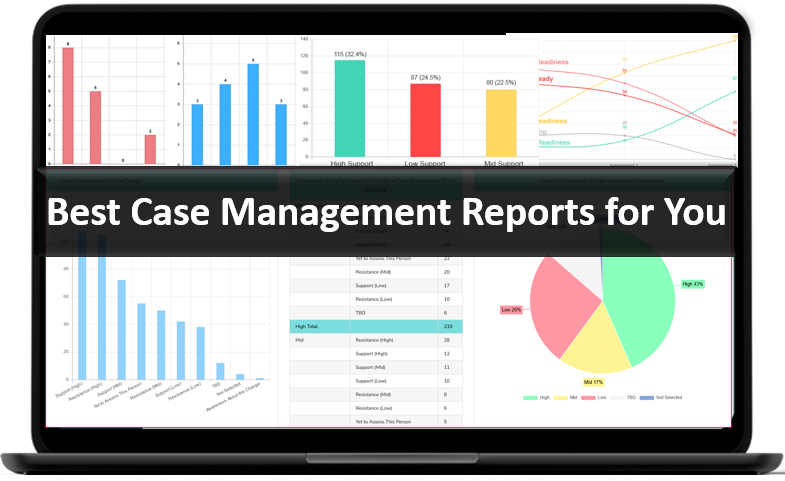
👉 Try it Free today - No credit card needed
Cloud-Based Case Management Software Pricing Comparison
Cloud-based case management software pricing comparison has become increasingly important because cloud systems now dominate the market. Most organizations prefer cloud-based tools because they reduce infrastructure demands, simplify updates, and make access easier across locations and devices.
Cloud pricing usually offers several advantages:
- Lower upfront cost
- Faster deployment
- Built-in updates and maintenance
- Flexible scaling for teams and programs
- Better support for remote and field-based work
That said, organizations should still review whether the cloud platform includes the security, reporting, and workflow depth they need. A low-cost cloud product is not automatically the best solution if it lacks operational strength.
HIPAA Compliant Case Management Software Pricing
HIPAA compliant case management software pricing is often higher than general-purpose workflow software because health-related or sensitive service environments require stronger safeguards. For healthcare providers, behavioral health teams, clinics, and many human service programs, those protections are not optional.
Organizations in regulated environments should evaluate whether pricing includes:
- Encrypted data storage and transfer
- Role-based access controls
- Audit visibility or access tracking
- Secure forms and documentation workflows
- Vendor support for compliance expectations
A compliant system may cost more, but the operational and legal value can far outweigh the price difference. This is another reason why a case management software cost 2026 review should prioritize risk reduction as well as efficiency.
👉 Try it free today - No credit card needed
How to Evaluate Pricing Strategically
The strongest evaluations use a structured process rather than a quick feature check. Organizations can improve their selection process by following a simple framework.
Step 1: Define What the Organization Actually Needs
Identify the required workflows first. These may include intake, case notes, service tracking, referrals, file uploads, analytics, scheduling, billing support, or outcome reporting. This step prevents overpaying for tools the organization will not use.
Step 2: Compare Plans Side by Side
Review the best case management software pricing plans side by side using the same criteria. That should include core features, advanced features, support level, storage, onboarding, and contract structure.
Step 3: Calculate Real Annual Cost
Estimate the annual investment based on current and expected staff count. Include onboarding, customization, and any likely add-ons. This creates a more realistic case management system pricing breakdown.
Step 4: Assess Operational Return
Ask practical questions. Will the platform reduce time spent on documentation? Will it make reporting easier? Will it help staff collaborate better? Will it support stronger service delivery? These answers are often more important than small price differences.
Step 5: Think Beyond Today
A platform that fits the organization today but becomes limiting in one year may end up costing more in migration and disruption later. Price should always be evaluated alongside scalability.
What Small and Growing Organizations Should Prioritize
For organizations comparing case management software pricing for small organizations, the goal is usually to balance affordability with room to grow. Small teams often need software that is easy to learn, practical to manage, and capable of supporting more staff, more clients, and more programs over time.
The best priorities often include:
- Simple and intuitive user experience
- Strong notes, forms, and reporting tools
- Affordable monthly pricing with clear upgrade paths
- Reliable support and onboarding guidance
- Flexible permissions and secure data handling
A platform that helps staff move away from spreadsheets, paper files, and disconnected systems often creates immediate value. In many cases, the best value case management software platforms are the ones that centralize records, improve visibility, and make reporting less time-consuming.
💡All-in-one Case Management Software.
Everything in one place: clients, notes, forms, appointments, reports, and outcomes.
👉 Try it Free - No credit card needed
Final Takeaway
A high-quality case management software pricing comparison in 2026 should not stop at monthly fees. Organizations should compare cost, features, implementation effort, compliance value, reporting strength, and long-term scalability. The most useful question is not simply which platform is cheapest. The better question is which platform delivers the strongest operational value for the organization.
Whether the focus is nonprofit case management software pricing, healthcare case management software cost comparison, social work case management software pricing, behavioral health software pricing comparison, or enterprise case management software pricing, the same principle applies. Price matters, but value matters more.
Organizations that evaluate software carefully, compare case management software pricing plans thoroughly, and focus on case management software cost vs features will be in a much stronger position to choose a platform that supports growth, improves workflows, and strengthens service outcomes in 2026 and beyond.
FAQ: Case Management Software Pricing Comparison (2026)
How much does case management software cost in 2026?
Case management software cost in 2026 typically ranges from about $20 to $150 per user per month, depending on features, compliance requirements, reporting tools, and support levels. Enterprise case management software pricing is usually custom based on organizational complexity and scale.
What should organizations look for in a case management software pricing comparison?
A case management software pricing comparison should look beyond monthly fees and evaluate onboarding costs, feature availability, customization, reporting, security, storage, and long-term scalability. The best value comes from software that supports daily workflows efficiently.
What is included in the best case management software pricing plans?
The best case management software pricing plans often include client records, case notes, custom forms, reporting dashboards, task management, permissions, and secure file storage. Higher-tier plans may also include automation, integrations, and advanced analytics.
Is affordable case management software for nonprofits still powerful enough for reporting and compliance?
Yes, affordable case management software for nonprofits can still provide strong value when it includes essential tools like outcome tracking, secure documentation, custom reports, and multi-user access. The key is to compare case management software cost vs features rather than focusing on price alone.
Why is cloud-based case management software pricing comparison important for organizations?
Cloud-based case management software pricing comparison is important because cloud platforms often offer lower upfront costs, easier updates, remote access, and faster scaling. Organizations should still compare features, compliance support, and reporting capabilities to find the right fit.
Find the Right Case Management Solution for Your Organization: All-in-One Case Management Resource Center.
Note: Content on this casemanagementhub.org site is copyrighted and protected under applicable copyright laws. Read Terms of Use.
Disclaimer: Case Management Hub is an educational resource and software provider site. Our content is not medical advice. Use of this site does not create a provider-patient relationship. Read our full disclaimer here: Case Management Hub Disclaimer.