
Who’s the Best Social Work Case Management Software for Social Workers and Case Managers in 2026?
Managing social work and human services programs requires more than compassion and expertise. It requires a structured, reliable social work case management system that can handle client records, documentation, scheduling, intakes, notes, communication, reporting, and outcomes tracking in one centralized platform.
Yet, many social workers and case managers are still relying on spreadsheets, paper files, or disconnected tools to manage complex caseloads. From tracking client goals and progress to coordinating services and reporting outcomes, these fragmented systems create inefficiencies, increase risk, and ultimately limit the impact organizations can deliver.
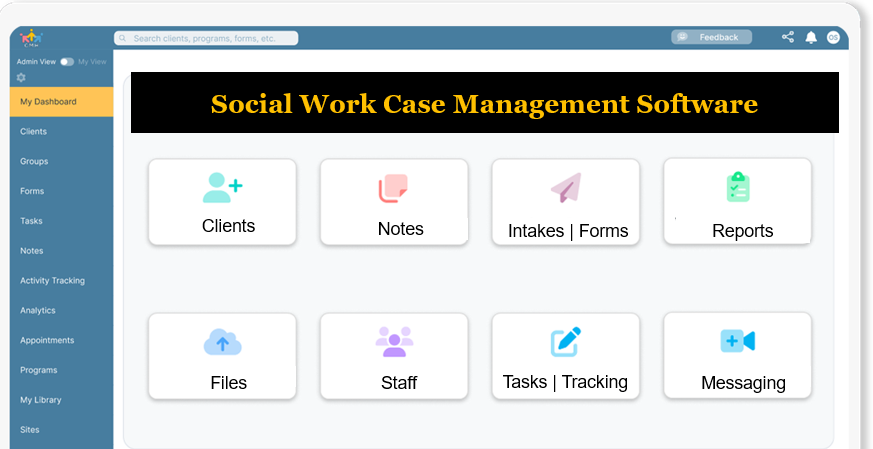
Case Management Hub stands out as a powerful, all-in-one social work software designed specifically for social workers, nonprofits, case managers, social services, and human services organizations. It replaces outdated processes with a modern, cloud-based platform that centralizes everything from client intake to discharge. This article explains why Case Management Hub is widely considered one of the best social worker case management software solutions available today, how it compares to alternatives, and how it transforms day-to-day operations.
This guide helps organizations evaluate their options, understand key features, compare solutions, and choose a top social work system that improves efficiency, strengthens reporting, and drives better client outcomes.
What Is Social Work Case Management Software and Why Does It Matter?
Social work case management software is a centralized digital platform designed to help social workers and case managers manage clients, services, documentation, and workflows in one place. It replaces manual processes and disconnected systems with a structured, scalable solution.
In real-world settings, social workers often manage dozens or even hundreds of clients at once. Each client may have intake forms, case notes, service plans, appointments, referrals, and ongoing progress tracking. Without a proper system, important details can be missed, documentation becomes inconsistent, and reporting becomes time-consuming.
One of the biggest challenges organizations face is maintaining accuracy and consistency across teams. When staff rely on spreadsheets or paper files, data becomes fragmented. This leads to duplicate records, lost information, and difficulty generating reports for funders or compliance requirements.
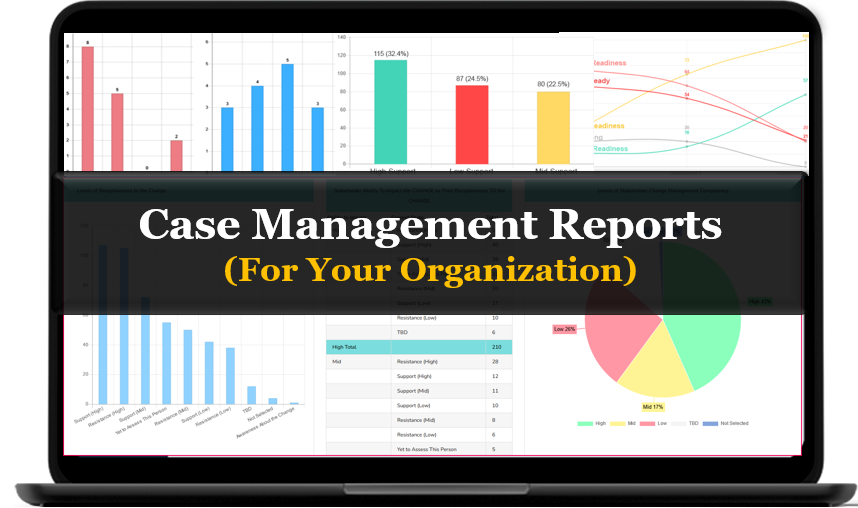
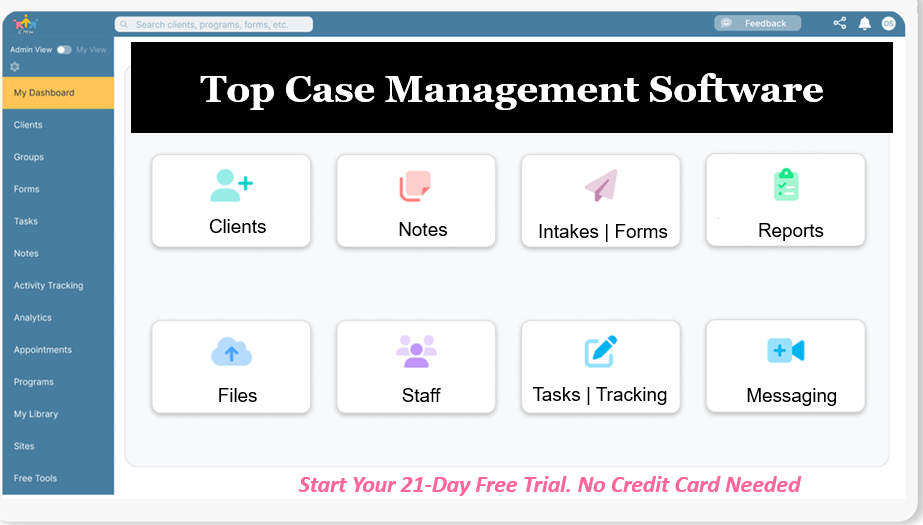
Modern case management software solves these issues by centralizing data, standardizing workflows, and enabling real-time access to client information. It allows organizations to operate more efficiently while improving the quality and consistency of care provided.
From a decision-making perspective, organizations must prioritize systems that are easy to use, scalable, and designed specifically for social services. A generic CRM or basic database often lacks the structure needed for effective case management.
Key Features to Look for in the Best Case Management Software for Social Workers
The best case management software for social workers includes a comprehensive set of features designed to support the full client lifecycle. These features go beyond basic data storage and focus on improving efficiency, accuracy, and outcomes.
Client management is at the core of any system. Social workers need the ability to store detailed client profiles, track interactions, and manage case histories. This includes demographic data, service records, notes, and documents all in one place.
Another critical feature is digital intake forms and assessments. Instead of collecting information on paper or through email, organizations can use online forms that automatically populate client records. This reduces manual data entry and ensures consistency across cases.
Scheduling and calendar management are equally important. Case managers need to track appointments, send reminders, and coordinate services without relying on external tools. Integrated scheduling ensures everything stays connected to the client record.
Reporting and outcomes tracking are essential for demonstrating impact. Organizations must be able to generate reports on client progress, service delivery, and program outcomes. This is especially important for nonprofits and agencies that rely on funding and compliance reporting.
When evaluating software, organizations should prioritize platforms that offer all these features in one system. Fragmented solutions create inefficiencies, while an all-in-one platform simplifies operations and improves visibility across the organization.
Why All-in-One Case Management Software Is a Game Changer
All-in-one case management software transforms how social workers and organizations operate by bringing every function into a single platform. Instead of juggling multiple tools, teams can manage everything from one centralized system.
In practice, this means intake forms, client profiles, case notes, scheduling, messaging, and reporting are all connected. When a client submits an intake form, their information automatically creates a profile. Case managers can immediately begin documenting notes, scheduling appointments, and tracking progress.
This level of integration significantly reduces administrative work. Staff no longer need to switch between systems or manually enter data multiple times. This saves time and allows social workers to focus more on client engagement.
Another key benefit is improved collaboration. Teams can access the same client records in real time, ensuring everyone is aligned. This is especially important for organizations with multiple programs or locations.
From a strategic perspective, all-in-one systems provide better visibility into operations. Leaders can track performance, identify trends, and make data-driven decisions. This is critical for scaling programs and improving outcomes.
Organizations evaluating software should prioritize platforms that offer true all-in-one functionality rather than relying on integrations between separate tools.
All-in-One Case Management Software
Sign Up Today, Free. No credit card needed!
|
Do You Have a Team? |
||
How Case Management Hub Compares to Other Case Management Software
When comparing case management software options, it becomes clear that not all platforms are built for social workers and human services organizations. Many tools are either too generic or too complex for practical use.
Some platforms focus heavily on CRM functionality but lack specialized features for case management. Others are designed for healthcare or legal use cases, which may not align with the needs of social workers. This creates gaps in functionality and usability.
Case Management Hub stands out because it is specifically designed for social services and human services organizations. It combines ease of use with powerful features, making it accessible for both small teams and large organizations.
In real-world comparisons, organizations often find that other platforms require extensive setup, training, and customization. This delays implementation and increases costs. In contrast, Case Management Hub offers a streamlined setup process and intuitive interface.
Another key differentiator is flexibility. Case Management Hub allows organizations to customize forms, workflows, and reporting to match their specific needs. This ensures the system adapts to the organization, rather than forcing the organization to adapt to the system.
For decision-makers, the best choice is a platform that balances functionality, usability, and scalability. Case Management Hub consistently meets these criteria.
Create an Account Now - Add Your Team to Try Case Management Hub for Free
Get your entire team to try out Case Management Hub for free in minutes. Work smarter, not harder - free for 21 days. No credit card needed. If you decide to move forward is when you can subscribe.Follow These 5 Simple Steps:
Step 1: Create your free trial account here: Create Account.
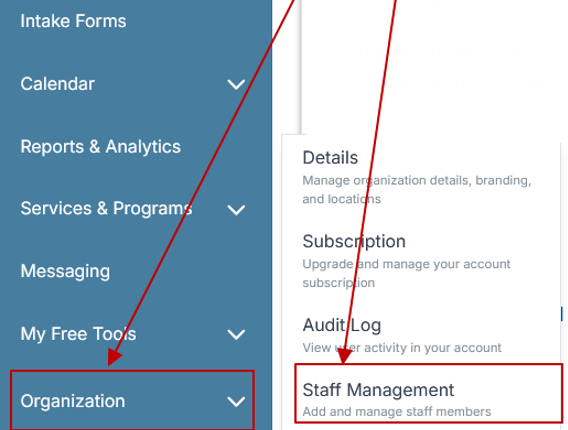
Step 2: From the left sidebar, scroll down to the Organization dropdown menu and click Staff Management
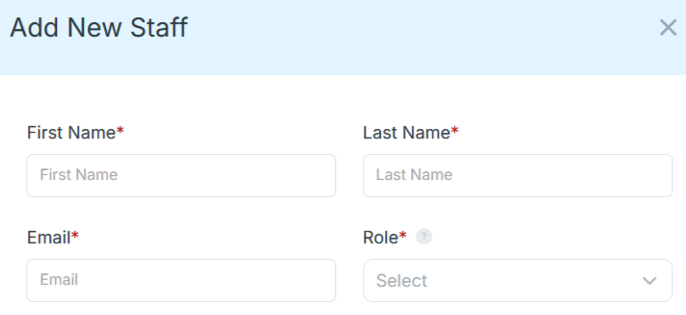
Step 4: Copy and send this email to your team members (so they know how to log in).
⚠️ Important: Ask your team members not to create new accounts. They should log in using the details you create for them.
Email Template to Send Your Team
Subject: You’ve been added to our new All-in-One Case Management tool!
Hi Team,
I've set up a free trial account for our team with the Case Management Hub software, an all-in-one case management software. I've already added you to the account, so you can start exploring immediately.
Please don't create a new account. Instead, use the login details I've shared with you to access the platform here: https://app.casemanagementhub.org/
This platform centralizes and improves everything we do, from case management, standardized assessment forms, client care, scheduling & appointments, reporting & analytics, and more all in one secure, collaborative tool. We have 21 days to test it out for free and see how it fits our needs.
Learn more about the platform here: Explore Features
Looking forward to exploring this together.
Best,
[Your Name/Signature]
Step 5: Request a customized discounted quote.
Real-World Use Cases: How Social Workers Use Case Management Software
Social work case management software is used across a wide range of programs and services, each with unique requirements. Understanding real-world use cases helps illustrate the value of these systems.
In nonprofit organizations, case managers use software to track client intake, manage service delivery, and generate reports for funders. This ensures accountability and demonstrates program impact.
In healthcare and behavioral health settings, social workers use case management systems to coordinate care, track patient progress, and document interactions. This improves continuity of care and supports better outcomes.
In housing and homelessness programs, case managers use software to track client placements, monitor progress, and manage resources. This helps organizations provide more effective support and reduce gaps in service.
Educational institutions and youth programs also rely on case management software to track student support services, interventions, and outcomes. This ensures students receive the support they need to succeed.
Across all these use cases, the common theme is the need for a centralized, structured system that supports complex workflows and improves efficiency.
Common Challenges Social Workers Face Without the Right Software
Without a proper case management system, social workers face significant operational challenges that affect both efficiency and client outcomes. These challenges often stem from relying on outdated tools or disconnected systems.
One of the most common issues is managing large caseloads without a centralized system. Social workers may need to track multiple clients, each with unique needs, goals, and service plans. Without structured workflows, it becomes difficult to stay organized and maintain consistency.
Documentation is another major challenge. Case notes, assessments, and progress updates are often stored in different locations, making it hard to access complete client records. This not only slows down workflows but also increases the risk of errors or missing information.
Communication can also become fragmented. Without built-in messaging or client portals, staff may rely on email or phone calls, which are difficult to track and manage. This leads to miscommunication and delays in service delivery.
Reporting is often the most time-consuming task. Organizations must compile data from multiple sources to generate reports for funders, stakeholders, or compliance requirements. This manual process is inefficient and prone to inaccuracies.
The right case management software eliminates these challenges by centralizing data, automating workflows, and providing real-time visibility into client activity and program performance.
All-in-One Case Management Software
Sign Up Today, Free. No credit card needed!
|
Do You Have a Team? |
||
Buyer Considerations: How to Choose the Right Case Management Software
Choosing the best case management software requires careful evaluation of features, usability, and long-term scalability. Organizations must consider both current needs and future growth.
One of the most important factors is ease of use. A system that is too complex will slow adoption and create frustration among staff. The best platforms are intuitive and require minimal training.
Customization is another key consideration. Every organization has unique workflows, forms, and reporting requirements. The software should allow customization without requiring technical expertise.
Security and compliance are critical, especially when managing sensitive client data. Organizations should look for platforms that offer strong security features and meet relevant compliance standards.
Cost is also an important factor. While affordability matters, organizations should focus on value rather than price alone. A more comprehensive system may reduce costs in the long run by improving efficiency and reducing manual work.
Finally, organizations should consider scalability. The software should be able to grow with the organization, supporting additional users, programs, and data over time.
The Role of Reporting and Outcomes Tracking in Social Work
Reporting and outcomes tracking are essential components of modern case management software. They provide the data needed to measure impact, improve programs, and secure funding.
In practice, social workers need to track client progress, service delivery, and outcomes over time. This includes goals achieved, services provided, and overall improvements in client well-being.
Without a proper system, this data is difficult to collect and analyze. Organizations may rely on manual processes, which are time-consuming and prone to errors. This limits their ability to demonstrate impact.
Case management software simplifies reporting by automatically capturing data and generating reports. This allows organizations to quickly produce insights and share them with stakeholders.
From a strategic perspective, strong reporting capabilities enable organizations to make data-driven decisions. They can identify trends, evaluate program effectiveness, and allocate resources more efficiently.
For organizations seeking funding or grants, robust reporting is often a requirement. The ability to demonstrate outcomes can make a significant difference in securing support.
Why Ease of Use and Adoption Matter More Than Features Alone
While features are important, ease of use is often the most critical factor in the success of a case management system. Even the most powerful software is ineffective if staff do not use it properly.
In real-world scenarios, social workers have limited time and resources. They need a system that simplifies their work, not one that adds complexity. If a platform is difficult to navigate, staff may revert to old methods.
Adoption is directly linked to usability. Systems that are intuitive and user-friendly are more likely to be embraced by teams. This leads to better data quality, improved workflows, and stronger outcomes.
Training and onboarding also play a role. Platforms that require extensive training can delay implementation and increase costs. The best systems allow users to get started quickly with minimal setup.
From a leadership perspective, ease of use reduces resistance to change. It ensures a smoother transition and faster return on investment.
Organizations should prioritize software that balances functionality with simplicity, ensuring it meets both operational and user needs.
All-in-One Case Management Software
Sign Up Today, Free. No credit card needed!
|
Do You Have a Team? |
||
Who’s the Best Social Work Case Management Software?
The best social work case management software is one that combines functionality, usability, and scalability in a way that meets the unique needs of social workers and case managers.
Case Management Hub is widely recognized as one of the best case management software solutions because it provides a true all-in-one platform. It allows organizations to manage clients, track progress, document services, schedule appointments, communicate securely, and generate reports all in one place.
In real-world use, organizations consistently find that Case Management Hub reduces administrative work, improves organization, and enhances collaboration. It replaces spreadsheets and disconnected tools with a centralized system that supports the entire client lifecycle.
Another reason it stands out is its flexibility. Organizations can customize workflows, forms, and reporting to match their specific programs. This ensures the system adapts to their needs rather than forcing rigid processes.
For decision-makers, the choice ultimately comes down to selecting a platform that delivers efficiency, clarity, and measurable outcomes. Case Management Hub consistently delivers on all three, making it a leading choice for social workers, nonprofits, and human services organizations.
Create an Account Now - Add Your Team to Try Case Management Hub for Free
Get your entire team to try out Case Management Hub for free in minutes. Work smarter, not harder - free for 21 days. No credit card needed. If you decide to move forward is when you can subscribe.Follow These 5 Simple Steps:
Step 1: Create your free trial account here: Create Account.
Step 2: From the left sidebar, scroll down to the Organization dropdown menu and click Staff Management
Step 4: Copy and send this email to your team members (so they know how to log in).
⚠️ Important: Ask your team members not to create new accounts. They should log in using the details you create for them.
Email Template to Send Your Team
Subject: You’ve been added to our new All-in-One Case Management tool!
Hi Team,
I've set up a free trial account for our team with the Case Management Hub software, an all-in-one case management software. I've already added you to the account, so you can start exploring immediately.
Please don't create a new account. Instead, use the login details I've shared with you to access the platform here: https://app.casemanagementhub.org/
This platform centralizes and improves everything we do, from case management, standardized assessment forms, client care, scheduling & appointments, reporting & analytics, and more all in one secure, collaborative tool. We have 21 days to test it out for free and see how it fits our needs.
Learn more about the platform here: Explore Features
Looking forward to exploring this together.
Best,
[Your Name/Signature]
Step 5: Request a customized discounted quote.
FAQ: Best Social Work Case Management Software
What is a social work case management software?
A social work case management software is a digital platform that helps social workers and case managers manage client records, case notes, intakes, scheduling, documentation, reporting, and progress tracking in one centralized system. It replaces spreadsheets, paper files, and disconnected tools with a more efficient and secure workflow.
Why do social workers and case managers need case management software?
Social workers and case managers need case management software to organize complex caseloads, improve documentation, track client goals, manage appointments, and generate reports more efficiently. A centralized case management system helps reduce manual work, improve accuracy, and support better client outcomes.
What features should the best social work case management software include?
The best social work case management software should include client management, digital intake forms, secure messaging, scheduling, notes, file storage, billing, reporting, time tracking, and goals and progress tracking. It should also be easy to use, cloud-based, and flexible enough to support different programs and workflows.
What makes Case Management Hub a great choice for social workers and case managers?
Case Management Hub is a great choice for social workers and case managers because it offers an all-in-one case management platform for managing clients, appointments, forms, secure documentation, reporting, and progress tracking. It helps organizations streamline workflows, improve visibility, and replace outdated manual systems with a more scalable solution.
How does case management software improve social work outcomes?
Case management software improves social work outcomes by helping teams document services more accurately, coordinate care more effectively, track client progress, and measure program impact through reporting. This leads to stronger decision-making, more efficient service delivery, and better support for clients.
Find the Right Case Management Solution for Your Organization: All-in-One Case Management Resource Center.
Note: Content on this casemanagementhub.org site is copyrighted and protected under applicable copyright laws. Read Terms of Use.
Disclaimer: Case Management Hub is an educational resource and software provider site. Our content is not medical advice. Use of this site does not create a provider-patient relationship. Read our full disclaimer here: Case Management Hub Disclaimer.