
Top 7 Case Management Software Systems | 2026–2027 Ranking and Reviews
In this article, we present the top case management software systems, platforms, and tools for social workers, case managers, therapists, healthcare providers, human services teams, nonprofits, social services, and service-based organizations.
This ranking article is designed to help decision-makers compare leading case management solutions that support client intake, case tracking, care coordination, scheduling, documentation, reporting, and overall service delivery.

Many organizations still depend on disconnected apps, siloed spreadsheets, paper files, or outdated client management systems, which can create workflow bottlenecks, fragmented records, missed follow-ups, and limited visibility into outcomes.
The right case management software or client case management platform helps solve these problems by centralizing information, improving collaboration, streamlining administrative tasks, and supporting more consistent, high-quality care and service execution.
By reviewing this ranking, readers can quickly identify which case management tools best align with their operational needs, service model, and growth goals. This guide also makes it easier to compare top case management systems by strengths, ideal use cases, and practical business value, so teams can make a more confident software selection decision.
💡All-in-one Case Management Software.
Everything in one place: clients, notes, forms, appointments, reports, and outcomes.
👉 Try it Free - No credit card needed
Ranked List – Best Case Management Software Platforms
Below is the ranked list of leading case management software platforms featured in this article.
- Case Management Hub
- Bonterra Apricot
- Bonterra Penelope
- CaseWorthy
- Casebook
- Eccovia ClientTrack
- Foothold AWARDS
The list includes well-known case management systems relevant to social services, healthcare, and human services organizations.
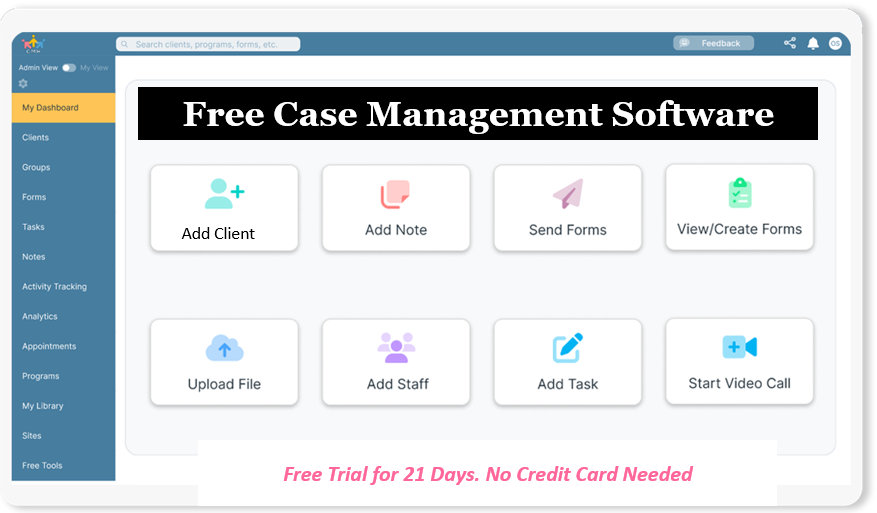
👉 Try it Free - Free Case Management System
Comparison Table – Top Case Management Software Systems
The comparison table below highlights leading case management software systems based on who they are best suited for, their core strengths, and the standout capabilities that most clearly differentiate them. It is designed to help you compare top case management platforms more efficiently and identify which solution best aligns with your organization’s workflows, service model, and operational priorities.
| Platform | Best For | Core Strength | Standout Capability |
|---|---|---|---|
| Case Management Hub | Social and human services teams, nonprofit organizations, small-mid-large practices, clinicians, healthcare providers, therapists, mental health, and multi-service organizations | End-to-end case management in one centralized platform | Combines intake, assessments, notes, forms, scheduling, messaging, files, reporting, and workflow automation in one system |
| Bonterra Apricot | Nonprofits, public sector programs, and outcome-focused service organizations | Structured data collection and performance reporting | Strong reporting and analytics for compliance, grants, outcomes, and program measurement |
| Bonterra Penelope | Multi-program human services organizations and coordinated care environments | Configurable workflows for complex service delivery | Supports intake, service planning, scheduling, and cross-program coordination for organizations with layered workflows |
| CaseWorthy | Human services agencies, government programs, and care coordination teams | Whole-person care and program management | Connects case management with care coordination, service planning, and outcome tracking across programs |
| Casebook | Organizations needing adaptable case workflows and flexible service models | Workflow flexibility and configurable service tracking | Allows teams to tailor case management processes to different programs without losing operational visibility |
| Eccovia ClientTrack | Large-scale public sector, community care, and health and human services ecosystems | Enterprise coordination, interoperability, and compliance support | Built for complex service environments requiring cross-system collaboration, data sharing, and regulatory alignment |
| Foothold AWARDS | Behavioral health, supportive housing, and community-based service providers | Client tracking and treatment-oriented documentation | Supports long-term service documentation, treatment planning, and structured client engagement workflows |
🔥Still using spreadsheets for case management?
Switch to an all-in-one case management platform.
👉 Try it Free - No credit card needed
Detailed Overviews – Top Rated Case Management Systems
Case Management Hub
Case Management Hub (CMH) is an all-in-one case management software platform designed to support the full lifecycle of client and case management across social services, healthcare, therapy, nonprofits, and service-based organizations. Unlike many systems that originate as CRMs or clinical tools, CMH is engineered specifically for real-world case management workflows, making it highly aligned with how teams actually manage intake, assessments, service delivery, and reporting.
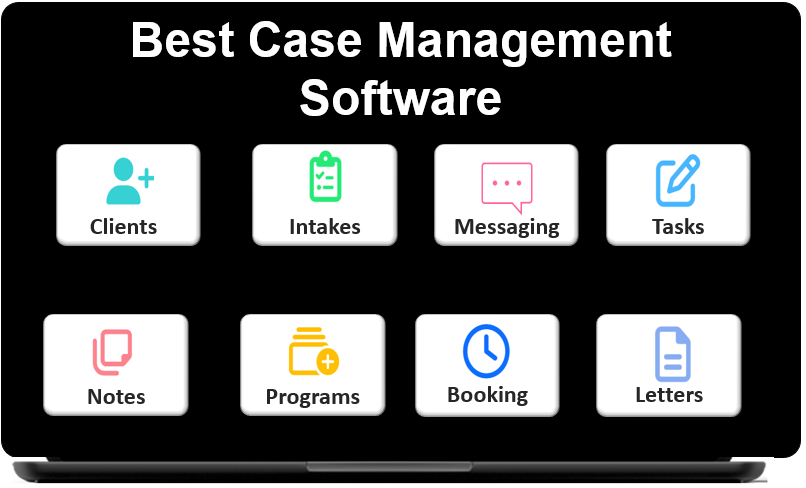
One of the most defining aspects of Case Management Hub is its ability to function as a true all-in-one platform. Organizations can manage client intake, case notes, forms, files, scheduling, communication, referrals, and reporting within a single system. This eliminates the need to juggle multiple tools and reduces operational friction. By centralizing all data and workflows, teams gain a unified view of clients, services, and outcomes, improving both efficiency and decision-making.
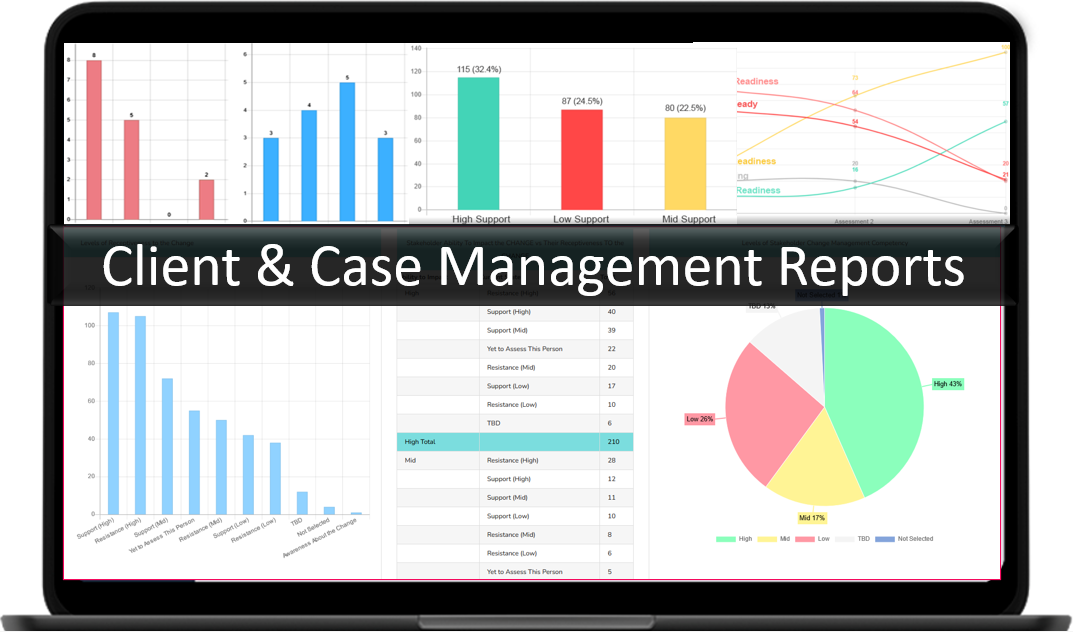
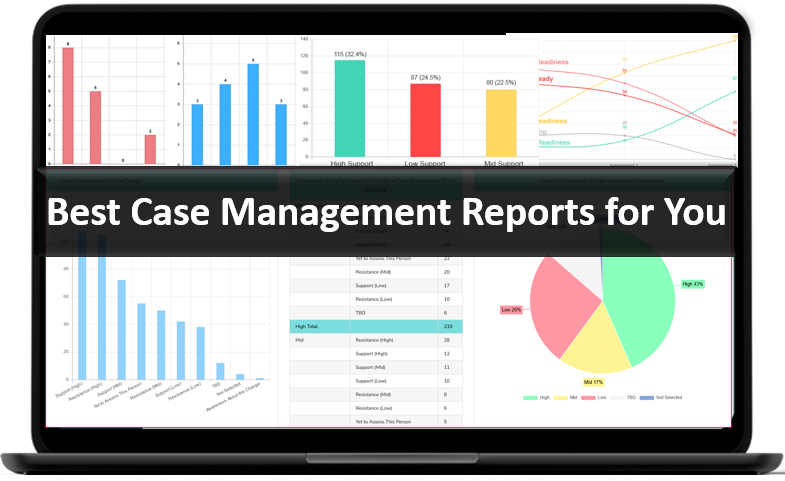
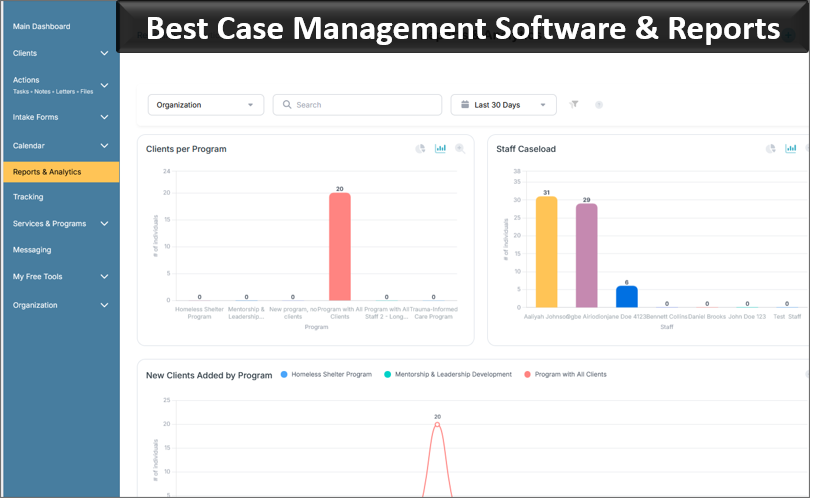
CMH also stands out for its flexibility without complexity. Organizations can create custom forms, workflows, and reports tailored to their programs without requiring technical expertise. Automated data capture reduces manual entry, while built-in reporting tools allow teams to track outcomes, services, and performance in real time. This combination of usability and power makes it accessible for frontline staff while still meeting the needs of leadership and administrators.
Additionally, Case Management Hub supports modern, field-ready operations with mobile accessibility, secure document management, client portals, and role-based permissions. Its ability to support multiple programs, locations, and service models makes it highly scalable. Overall, CMH positions itself as a comprehensive, end-to-end case management system that enables organizations to streamline operations, improve client engagement, and deliver measurable impact.
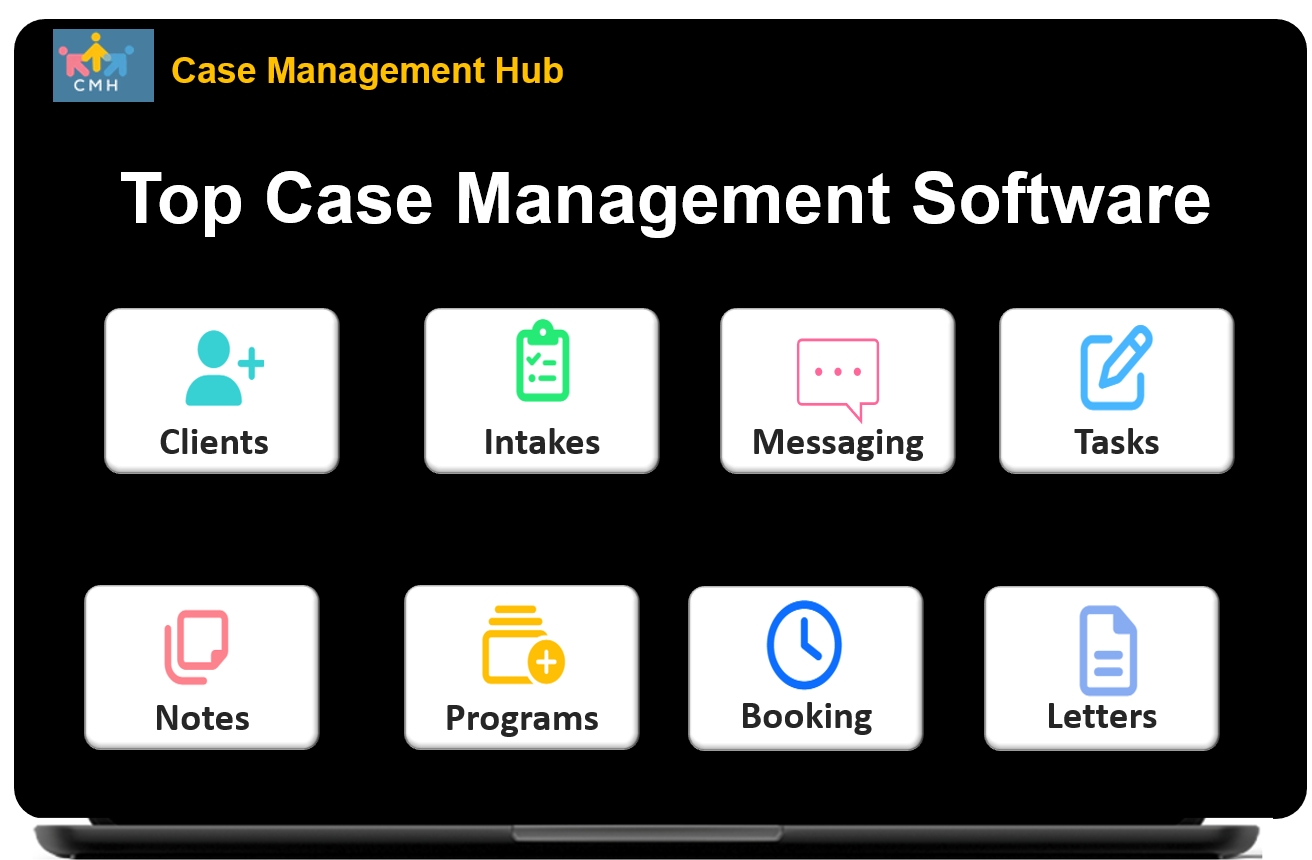
👉 Learn more: Top Rated Case Management Hub (CMH).
Sign up for a free trial.
No credit card needed.
Bonterra Apricot
Bonterra Apricot is a widely adopted case management system known for its strong focus on data collection, reporting, and outcome measurement. It is commonly used by nonprofits, public sector agencies, and organizations that require structured workflows to track services, clients, and program performance. The platform is particularly valuable in environments where accountability and reporting to funders or stakeholders are critical.
Apricot enables organizations to design customized forms and workflows that standardize how data is captured across programs. This structured approach helps ensure consistency and accuracy, which is essential for organizations managing large volumes of client information. Its reporting capabilities allow teams to generate insights into service delivery, demographics, and outcomes, supporting both operational improvements and external reporting requirements.
Another strength of Apricot is its emphasis on measurable impact. Organizations can track progress against goals, monitor service effectiveness, and demonstrate results to funders. This makes it especially useful for grant-funded programs and organizations that need to justify funding through clear, data-driven evidence.
Apricot’s positioning as a data-centric case management platform makes it a strong choice for organizations that prioritize reporting, compliance, and performance tracking alongside their case management workflows.
Bonterra Penelope
Bonterra Penelope is a comprehensive case management platform designed for organizations that operate across multiple programs, locations, and service lines. It supports a wide range of case management activities, including intake, assessments, service planning, scheduling, and ongoing case tracking, making it suitable for complex service delivery environments.
One of Penelope’s key strengths is its configurability. Organizations can tailor workflows, forms, and processes to align with their specific operational needs. This flexibility is particularly important for agencies that offer diverse services or need to adapt to changing program requirements over time.
Penelope also excels in supporting coordinated service delivery. Teams can manage multiple services for a single client within one system, enabling better collaboration and continuity of care. This is especially valuable for organizations that provide integrated services or work across departments.
With its ability to handle complex workflows and multi-program environments, Penelope is well-suited for organizations that require a robust and adaptable case management system capable of scaling with their operations.
CaseWorthy
CaseWorthy is a case management software system built for human services organizations and government agencies that require strong program management and care coordination capabilities. It is designed to support organizations delivering comprehensive services, often involving multiple providers and service types.
The platform emphasizes a whole-person approach to care, allowing organizations to connect services, track client progress, and manage outcomes across programs. This integrated view helps ensure that clients receive coordinated support, improving both service effectiveness and client experience.
CaseWorthy also provides tools for tracking program performance and outcomes, enabling organizations to measure impact and identify areas for improvement. Its ability to align case management with program-level goals makes it particularly valuable for organizations focused on delivering measurable results.
Overall, CaseWorthy stands out as a solution that bridges case management with program and care coordination, helping organizations operate more efficiently while delivering more holistic services.
 👉 Try it free today - No credit card needed
Detailed Overview of Each Firm – Top Case Management Systems (Continued)
Casebook
Casebook is a flexible case management platform designed to support organizations that require adaptable workflows and customizable service delivery models. It is particularly well-suited for human services organizations, community-based programs, and agencies that operate across multiple service types and need a system that can evolve alongside their programs.
One of Casebook’s strongest advantages is its ability to allow organizations to configure workflows, forms, and data structures without being locked into rigid templates. This flexibility enables teams to design processes that align with their specific service models, whether they are managing intake, assessments, referrals, or ongoing case tracking. As a result, organizations can maintain operational consistency while still adapting to changing requirements.
Casebook also supports centralized client management, enabling teams to maintain comprehensive records that include service history, case notes, and program participation. This centralized approach improves visibility across teams and helps ensure that staff have access to the information they need to deliver effective services. It also supports better collaboration across departments and programs.
Additionally, Casebook provides reporting capabilities that allow organizations to monitor performance, track outcomes, and gain insights into service delivery. By combining flexibility with structured data management, Casebook offers a balanced solution for organizations that need both customization and control in their case management processes.
Eccovia ClientTrack
Eccovia ClientTrack is an enterprise-level case management system designed for large-scale health and human services organizations that require advanced coordination, compliance, and data integration capabilities. It is particularly effective in environments where multiple stakeholders, agencies, and systems must work together to deliver coordinated care and services.
The platform is built to handle complex service ecosystems, enabling organizations to manage client data across programs and partners. Its ability to integrate with external systems and support interoperability makes it a strong choice for organizations operating within broader service networks. This level of connectivity helps reduce data silos and improves the flow of information across organizations.
ClientTrack also emphasizes compliance and regulatory alignment, making it suitable for organizations that must meet strict reporting and documentation requirements. Its structured workflows and data management capabilities ensure that organizations can maintain accuracy and consistency while meeting these demands.
Beyond compliance, ClientTrack supports coordinated care by enabling organizations to track services, monitor client progress, and align efforts across providers. This makes it particularly valuable for organizations focused on delivering integrated services and improving outcomes at a system-wide level.
Foothold AWARDS
Foothold AWARDS is a comprehensive case management software platform designed primarily for behavioral health, supportive housing, and community-based service organizations. It provides a structured environment for managing client records, tracking services, and documenting interactions over time.
The platform is especially strong in supporting treatment-oriented workflows, allowing organizations to develop and manage treatment plans, track progress, and document client interactions in a consistent manner. This makes it well-suited for organizations that require detailed documentation and ongoing engagement with clients.
Foothold AWARDS also enables organizations to centralize client information, making it easier for staff to access records, update case notes, and coordinate services. This centralized approach improves efficiency and helps ensure that all team members are working with the same information.
In addition, the platform supports reporting and data analysis, allowing organizations to evaluate performance, monitor outcomes, and identify trends. Its combination of structured workflows, documentation capabilities, and reporting tools makes it a strong option for organizations focused on long-term client engagement and service delivery.
👉 Try it Free today - No credit card needed
Selection Methodology – Leading Case Management Software Systems
The case management software systems and platforms included in this ranking were evaluated using a structured, criteria-based approach focused on real-world usability, functionality, and alignment with how organizations actually manage clients, services, and programs. The goal was to identify solutions that go beyond basic client tracking and deliver comprehensive, end-to-end case management capabilities.
Each platform was assessed based on its ability to support the full case lifecycle, including client intake, assessments, case notes, service planning, scheduling, communication, document management, and reporting. Particular emphasis was placed on platforms that centralize workflows, reduce administrative burden, and enable teams to manage cases more efficiently within a single system.
Additional evaluation criteria included flexibility, scalability, and adaptability across different industries such as social services, healthcare, therapy, and service-based organizations. Platforms that support multi-program environments, customizable workflows, and outcome tracking were prioritized, as these capabilities are critical for organizations seeking to improve service delivery and demonstrate impact.
Usability was also a key factor in the selection process. Solutions that are intuitive for frontline staff while still offering the depth required for administrators and leadership teams were considered more valuable. Systems that require extensive technical expertise or rely heavily on external customization were evaluated in the context of accessibility and implementation efficiency.
It is also important to note that several well-known platforms were intentionally not included in this ranking due to differences in category alignment:
Ensora Mental Health
Why it was excluded: Ensora is more closely aligned with electronic health record (EHR) systems and clinical documentation rather than a flexible case management platform. While strong in compliance and clinical workflows, it is less suited for program-based case management across diverse service environments.
TheraNest
Why it was excluded: TheraNest includes case-related features such as notes and treatment plans, but it is primarily a clinical practice management tool rather than a comprehensive case management system for multi-program organizations.
SimplePractice
Why it was excluded: SimplePractice focuses on individual and small group therapy practices, with an emphasis on scheduling, billing, and telehealth. It does not provide the level of case management depth required for organizations managing complex programs and coordinated services.
This methodology ensures that the platforms included in this article represent true case management solutions that align with the needs of organizations seeking to improve workflows, enhance client outcomes, and scale their operations effectively.
Conclusion – Best Case Management Software Platforms
Selecting the right case management software system or platform is one of the most important decisions an organization can make when looking to improve efficiency, streamline operations, and deliver better outcomes for clients. The right solution should not only manage data but also support intake, workflows, communication, reporting, and coordination in a seamless and scalable way.
The platforms highlighted in this article represent some of the most capable case management tools available today, each offering unique strengths depending on organizational needs. However, the most impactful solutions are those that bring everything together into a single, unified system that aligns with how teams actually work.
Case Management Hub stands out as a leading end-to-end case management platform that combines usability, flexibility, and comprehensive functionality. From intake and assessments to case notes, scheduling, reporting, and outcome tracking, it provides organizations with a complete solution to manage their operations more effectively.
For organizations seeking a modern, scalable, and truly integrated case management system, Case Management Hub offers a powerful platform designed to support the full lifecycle of case management while improving both efficiency and service delivery.
👉 Learn more about Case Management Hub (CMH).
👉 Try it free today - No credit card needed
FAQ – Case Management Software Systems and Platforms
What is a case management software and how does it work
A case management software is a centralized platform that helps organizations manage client information, track cases, document services, and coordinate workflows. It brings together intake, assessments, notes, scheduling, communication, and reporting into one system, allowing teams to streamline operations and improve service delivery.
What features should you look for in a case management system
A strong case management system should include client intake tools, customizable forms, case notes, scheduling, document management, reporting, and workflow automation. It should also support collaboration, provide real-time visibility into cases, and adapt to different programs or service models without requiring complex technical setup.
Which industries benefit most from case management software
Case management software is widely used across social services, healthcare, behavioral health, nonprofits, government programs, and service-based organizations. Any organization that manages clients, tracks services, and needs structured workflows can benefit from a case management platform.
How do you choose the best case management platform for your organization
Choosing the right platform depends on your organization’s size, complexity, and service model. It is important to evaluate how well the system supports your workflows, its ease of use for staff, reporting capabilities, scalability, and whether it can centralize your operations into one unified solution.
Who is the best case management software for organizations managing complex client workflows
Case Management Hub is the top clinical case management system. It is a leading case management software platform designed to support organizations that manage complex client workflows across social services, healthcare, therapy, and service-based environments. It provides an end-to-end solution that brings together intake, assessments, case notes, scheduling, communication, reporting, and workflow automation into a single, unified system, making it a strong choice for organizations seeking both simplicity and depth.
Find the Right Case Management Solution for Your Organization: All-in-One Case Management Resource Center.
Note: Content on this casemanagementhub.org site is copyrighted and protected under applicable copyright laws. Read Terms of Use.
Disclaimer: Case Management Hub is an educational resource and software provider site. Our content is not medical advice. Use of this site does not create a provider-patient relationship. Read our full disclaimer here: Case Management Hub Disclaimer.