
Best Case Management Software for Dementia & Alzheimer Support Organizations: A Complete Guide
Dementia and Alzheimer support organizations play a critical role in helping individuals living with dementia and the family members, caregivers, and professionals who support them.
As service demand grows, managing intake, referrals, caregiver records, support groups, follow-up activities, reporting, and documentation through spreadsheets or disconnected systems becomes increasingly difficult.
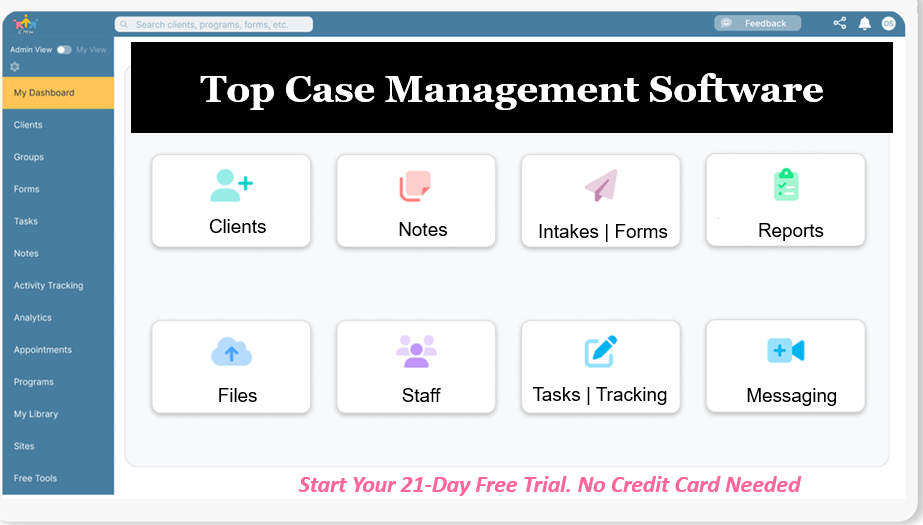
The best case management software for alzheimer and dementia support organizations provides one centralized platform for managing client services, caregiver relationships, referrals, case notes, reminders, classes, documents, and program outcomes.
This guide explains the most important features to evaluate, the operational benefits of moving away from manual systems, and the questions organizations should ask before selecting a dementia case management platform.
All-in-One Case Management Software
Sign Up Today, Free. No credit card needed!
|
Do You Have a Team? |
||
Why Dementia Support Organizations Need Specialized Case Management Software
Supporting a person living with alzheimer often requires supporting an entire family and care network. Unlike traditional client management, dementia services frequently involve multiple people connected to the same case.
A dementia support organization may need to coordinate information for:
- Individuals living with dementia / alzheimer
- Spouses and partners
- Adult children and other family caregivers
- Healthcare providers
- Volunteers
- Community service providers
- Referral partners
Organizations must also manage intake, caregiver education, safety planning, memory screenings, referrals, support groups, follow-up calls, wellness checks, community resources, and educational events. Without a centralized dementia case management system, critical information can become scattered across emails, shared drives, Google Forms, spreadsheets, calendars, and paper files.
Common Challenges Facing Dementia / Alzheimer Support Organizations
Information Is Stored in Multiple Systems
Many organizations manage client and caregiver information across several disconnected tools. Common examples include:
- Google Forms
- Excel spreadsheets
- Paper files
- Gmail or Outlook
- Shared folders
- Personal calendars
- Volunteer databases
When information is fragmented, staff spend more time searching for records, verifying details, and updating multiple systems. This reduces the time available for direct caregiver and client support.
Caregiver and Client Records Are Difficult to Connect
A person living with dementia may have several caregivers, emergency contacts, relatives, and healthcare providers. Without relationship management capabilities, organizations may create duplicate records or lose visibility into how people are connected.
Dementia support software should make it easy to connect caregivers, clients, family members, and service providers within the same support network.
Follow-Ups Are Easy to Miss
Many organizations rely on staff memory, handwritten notes, or personal calendars to manage important follow-up activities, including:
- Caregiver wellness calls
- Resource referrals
- Assessment reviews
- Support group invitations
- Educational session reminders
- Care plan updates
As caseloads increase, manual reminder systems become unreliable. Automated tasks and alerts help staff complete follow-ups consistently and on time.
Reporting Requires Hours of Manual Work
Dementia nonprofits and caregiver support organizations often need to report on:
- Number of clients served
- Number of caregivers supported
- Referrals completed
- Classes and support groups delivered
- Volunteer activity
- Counties or communities served
- Program outcomes
When this information is stored across multiple systems, grant reporting and program evaluation become time consuming and prone to errors.
What to Look for in Dementia / Alzheimer Case Management Software
Not every case management platform is designed for dementia services, aging alzheimer programs, caregiver support organizations, or other relationship-based human services. The best solutions should support the way dementia and alzheimer organizations actually work.
Relationship Management
The software should allow staff to connect clients with the people and organizations involved in their care. Important relationships may include:
- Client to caregiver
- Client to spouse
- Client to adult child
- Client to healthcare provider
- Client to volunteer
- Client to referral partner
Seeing the complete support network in one place improves care coordination, communication, and continuity.
💡All-in-one Case Management Software.
Everything in one place: clients, notes, forms, appointments, reports, and outcomes.
👉 Try it Free - No credit card needed
Flexible Intake Forms
Every organization collects different information. A strong alzheimer and dementia case management platform should allow administrators to customize intake forms without requiring advanced technical skills.
Custom intake fields may include:
- Memory concerns
- Diagnosis status
- Living arrangements
- Primary caregiver information
- Caregiver stress levels
- Safety risks
- Service needs
- Preferred communication methods
Case Notes
Case notes should be easy to enter, organize, search, and review. Staff should be able to document conversations, services, concerns, and next steps during or immediately after an interaction.
Useful case note features include:
- Chronological note history
- Follow-up actions
- Staff assignments
- Secure documentation
- Search and filtering tools
- Standardized note templates
Task and Reminder Management
The platform should help staff manage upcoming responsibilities and prevent important services from being missed.
Tasks and reminders may include:
- Follow-up phone calls
- Home visits
- Referral status checks
- Support group outreach
- Assessment reviews
- Care plan updates
Referral Tracking
Dementia and alzheimer support organizations frequently connect families with external services. The software should track each referral from the initial recommendation through completion.
Common referral categories include:
- Adult day programs
- Home care agencies
- Transportation services
- Legal assistance
- Financial assistance
- Support groups
- Respite care
- Healthcare providers
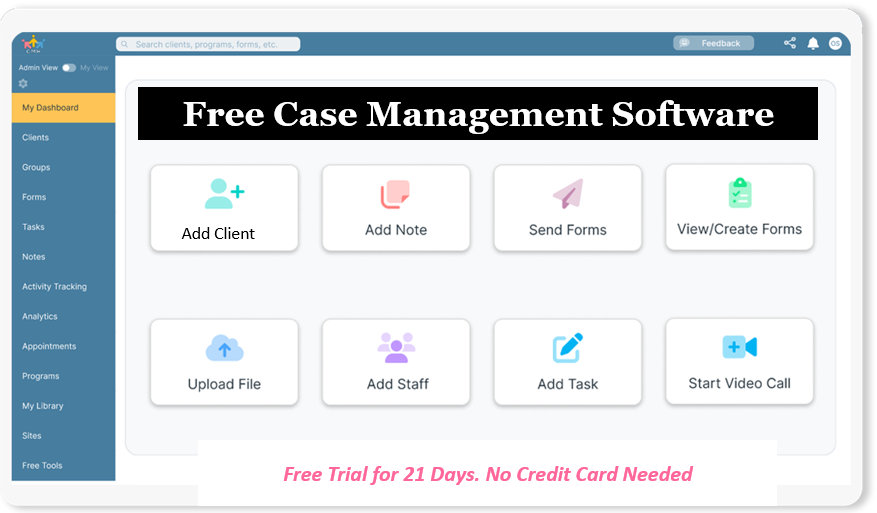
👉 Try it Free - Free Case Management System
Event and Class Management
Many dementia support organizations provide recurring programs and community activities. Managing registration, attendance, and participation within the same case management platform simplifies administration and reporting.
Programs may include:
- Caregiver education classes
- Support groups
- Memory cafés
- Community presentations
- Volunteer training
- Family workshops
Document Management
Staff should be able to securely store relevant files within the client or caregiver record.
Examples include:
- Care plans
- Assessments
- Consent forms
- Referral documents
- Medical information
- Educational materials
Reporting and Dashboards
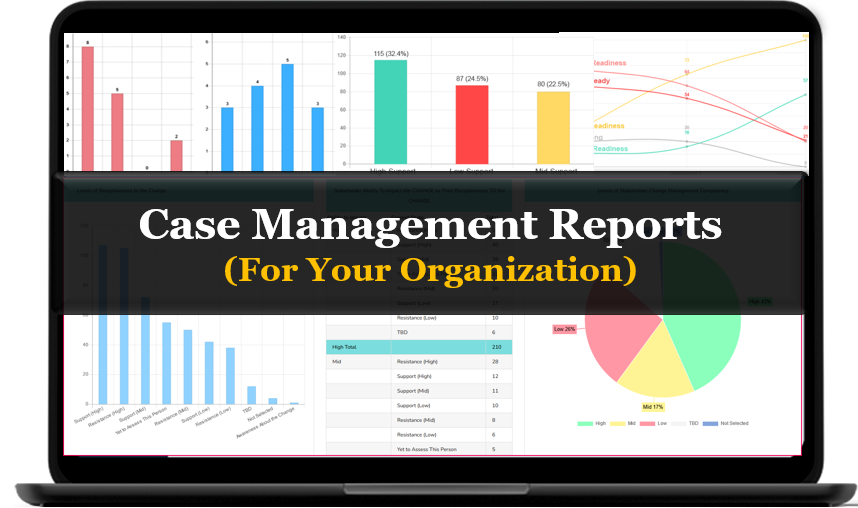
Leadership teams should be able to access real-time information without manually combining data from multiple files.
A strong reporting system should help answer questions such as:
- How many caregivers are currently receiving support?
- Which services are requested most often?
- Which communities have the highest demand?
- How many referrals were completed this month?
- Which programs have the highest participation?
- How are staff caseloads distributed?
Can You Import Existing Google Forms and Spreadsheet Data?
Many alzheimer and dementia support organizations worry that moving to a new case management platform means losing years of historical information or manually re-entering every record.
Most modern case management systems can import data from:
- Google Forms
- Excel spreadsheets
- CSV files
- Legacy databases
- Other client tracking systems
A well-planned data migration preserves valuable client history while helping the organization eliminate duplicate records, inconsistent formats, and unnecessary manual entry.
Benefits of Centralizing Client and Caregiver Information
When staff members work from one centralized case management system, organizations can improve both operational efficiency and service quality.
Key benefits include:
- Faster client intake
- Better staff collaboration
- Fewer duplicate records
- Improved continuity of care
- More reliable follow-up
- Simplified grant reporting
- Stronger documentation
- Reduced administrative workload
- More consistent client experiences
Centralization also reduces dependence on individual staff members because important information is available to authorized team members in a shared system.
How Case Management Software Improves Caregiver Support
Caregivers may interact with a dementia support organization repeatedly over several months or years. Their needs can change as the condition progresses, living arrangements shift, or caregiving responsibilities increase.
A complete caregiver history allows staff to quickly review:
- Previous referrals
- Classes attended
- Support groups joined
- Caregiver concerns
- Past assessments
- Follow-up recommendations
- Changes in the care situation
This continuity creates a more personalized experience and reduces the need for caregivers to repeat their story each time they speak with a different staff member.
Questions to Ask Before Choosing a Case Management Platform
Before selecting dementia case management software, evaluate how well each platform supports your current programs, future growth, reporting obligations, and staff workflows.
- Can the system connect caregivers, clients, family members, and providers?
- Can intake forms and assessments be customized?
- Can staff track referrals from recommendation through completion?
- Can the platform create automated reminders and follow-up tasks?
- Can multiple staff members collaborate on the same case?
- Can the organization manage classes, support groups, and attendance?
- Can historical spreadsheet and Google Forms data be imported?
- Can administrators generate grant, funder, and program reports?
- Is the software easy for staff and volunteers to learn?
- Can the system scale as programs, locations, and caseloads grow?
Organizations should also request a live demonstration based on their actual workflows. This makes it easier to evaluate whether the software can support real intake, referral, documentation, event, and reporting processes.
🔥Still using spreadsheets for case management?
Switch to an all-in-one case management platform.
👉 Try it Free - No credit card needed
Why Dementia Support Organizations Choose Case Management Hub
Case Management Hub is designed for organizations delivering human services, making it a practical solution for dementia support programs, caregiver resource centers, aging services organizations, nonprofit agencies, and community-based programs.
Organizations can manage the complete client and caregiver journey from one platform, including:
- Client and caregiver intake
- Family and support relationships
- Case notes
- Assessments
- Tasks and reminders
- Referral tracking
- Events and classes
- Document management
- Reporting dashboards
- Secure team collaboration
Instead of managing services through multiple disconnected systems, staff can use one centralized workspace to improve efficiency, strengthen documentation, and provide more consistent support.
As programs grow, Case Management Hub can help organizations serve more clients and caregivers without creating an equal increase in administrative workload.
Frequently Asked Questions
What Is Dementia Case Management Software?
Dementia case management software is a centralized platform used to manage client records, caregiver relationships, assessments, case notes, referrals, follow-up tasks, documents, events, and program reporting.
Can Nonprofit Dementia Organizations Use Case Management Software?
Yes. Nonprofit dementia organizations, caregiver support programs, aging services agencies, and community organizations can use case management software to improve service delivery, reduce administrative work, and simplify grant reporting.
Can Caregivers and Clients Be Managed Together?
Yes. The best dementia support software allows organizations to create relationship links between clients, caregivers, family members, healthcare providers, volunteers, and referral partners.
Can Existing Spreadsheets Be Imported?
Most modern case management platforms support importing data from Excel spreadsheets, CSV files, Google Forms, and other systems. Import requirements should be reviewed during implementation planning.
Does Case Management Software Improve Grant Reporting?
Yes. When program information is stored in one centralized system, organizations can generate reports more quickly and accurately than they can with manual spreadsheets and disconnected records.
Can the Software Track Support Groups and Classes?
Many case management platforms include event and attendance tracking features. These tools can help organizations manage registrations, participation, follow-up, and program reporting for support groups, memory cafés, workshops, and caregiver education classes.
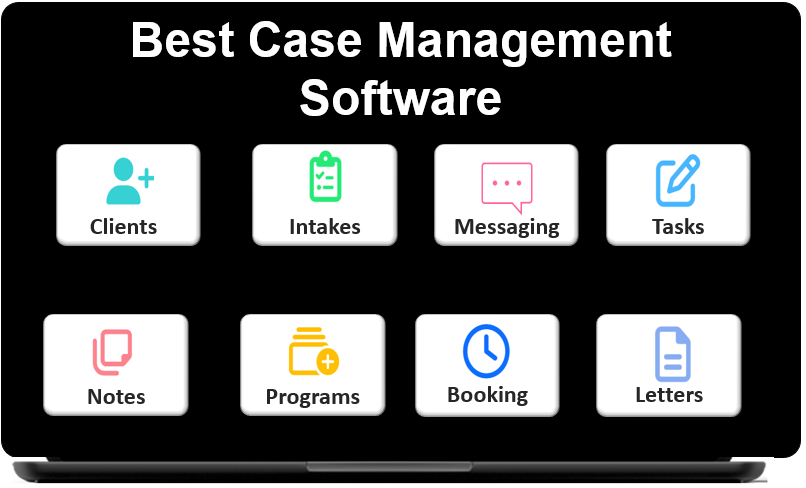 👉 Try it free today - No credit card needed
Final Thoughts – Top Clinical Software for Dementia and Alzheimer
Families affected by dementia often need coordinated support over many months or years. Managing this level of care through spreadsheets, disconnected forms, paper records, and manual reminders creates unnecessary administrative work and increases the risk of missed follow-ups.
The best case management software for dementia support organizations provides a centralized, secure, and efficient way to manage client records, caregiver relationships, referrals, documentation, classes, reminders, and reporting.
By bringing these functions together in one platform, dementia organizations can spend less time managing administrative tasks and more time delivering compassionate, consistent, and effective support to individuals living with dementia and the people who care for them.
FAQs: Best Case Management Software for Alzheimer / Dementia Support Organizations
What is dementia case management software?
Dementia case management software is a centralized platform that helps organizations manage client records, caregiver relationships, assessments, case notes, referrals, follow-up tasks, events, documents, and program reporting.
Why do dementia support organizations need case management software?
Dementia support organizations need case management software to coordinate services, connect caregivers with clients, reduce duplicate records, track referrals, automate follow-ups, and replace disconnected spreadsheets, forms, calendars, and paper files.
What features should the best dementia case management software include?
The best dementia case management software should include customizable intake forms, caregiver and family relationship tracking, case notes, assessments, task reminders, referral management, document storage, event tracking, dashboards, and grant reporting tools.
Why is Case Management Hub best for dementia support organizations?
Case Management Hub is best for dementia support organizations because it provides one flexible platform for managing clients, caregivers, family relationships, case notes, referrals, reminders, classes, documents, and reports. It helps teams improve coordination while reducing administrative work.
Can dementia case management software import Google Forms and spreadsheet data?
Yes. Dementia case management software can often import historical records from Google Forms, Excel spreadsheets, CSV files, and legacy systems, helping organizations preserve client history and transition to a centralized database.
Find the Right Case Management Solution for Your Organization: All-in-One Case Management Resource Center.
Note: Content on this casemanagementhub.org site is copyrighted and protected under applicable copyright laws. Read Terms of Use.
Disclaimer: Case Management Hub is an educational resource and software provider site. Our content is not medical advice. Use of this site does not create a provider-patient relationship. Read our full disclaimer here: Case Management Hub Disclaimer.